SAVE 30% ON EACH EBOOK AND 60% ON THE COMPLETE BUNDLE!
Lysine, Arginine and HSV: What the Evidence Shows
Does lysine help prevent HSV outbreaks? Review the evidence on supplements, arginine-rich foods, dietary restrictions and safer nutrition choices.
MEDICAL & WELLNESS
Jordan
3/12/20265 min read
Lysine, Arginine and HSV: The Short Answer
Lysine supplements and low-arginine diets are widely promoted for preventing herpes outbreaks, but the clinical evidence is limited and inconsistent. Laboratory studies show that HSV uses arginine during replication. That does not prove that eating arginine-rich foods triggers outbreaks or that changing the dietary lysine-to-arginine ratio controls HSV in the human body.
A Cochrane review found no evidence that lysine prevented recurrent cold sores. A separate review concluded that better controlled studies were needed before lysine could be considered an established HSV prevention strategy. There is no clinically validated 2:1 food ratio, universal supplement dose or list of foods that everyone with HSV needs to avoid.
Why the Lysine–Arginine Theory Exists
Lysine and arginine are amino acids used throughout the body. Lysine is essential, which means it must come from food. Arginine supports functions that include protein production, wound healing and blood-vessel signalling.
Older cell-culture experiments found that HSV replication depends on arginine and can be affected when the amino-acid environment around infected cells changes. These experiments helped create the theory that more lysine and less arginine might reduce outbreaks.
There is an important gap between a laboratory dish and a person eating a meal. Digestion, absorption, metabolism, total protein intake and the body’s own regulation all affect amino-acid availability. A food’s calculated ratio does not show how much arginine reaches HSV-infected nerve cells or predict whether an individual will have an outbreak.
What Human Research Shows
Cold-sore prevention
A Cochrane review of 32 randomised trials covering several preventive approaches reported that it could not find evidence that lysine prevented recurrent herpes labialis, commonly called cold sores. The review found that long-term oral antiviral treatment could reduce recurrences, although the clinical benefit was small and treatment decisions belong with a clinician.
Lysine studies
Small older trials produced mixed findings. Some reported fewer recurrences or improved subjective symptoms, while others found no meaningful effect on recurrence or healing. Studies differed in dose, diet, participant selection and outcome measurement, making the results difficult to combine or apply broadly.
A 2017 evidence review said lower-dose lysine appeared ineffective without dietary arginine restriction and that larger, longer controlled studies were needed. That conclusion does not establish that high doses work, and subjective improvement is not the same as a proven reduction in confirmed outbreaks.
Genital HSV
Evidence for lysine is even less certain for genital herpes. Research on cold sores should not automatically be treated as proof for genital HSV-1 or HSV-2. Major clinical guidance focuses on antiviral medicines, symptom management and transmission precautions rather than lysine supplementation or arginine restriction.
Do Arginine-Rich Foods Trigger Outbreaks?
Chocolate, nuts, seeds, oats, whole grains and legumes are often labelled “high arginine” online. Some people believe a particular food coincides with their symptoms, but anecdotes cannot show that arginine caused the outbreak. HSV can reactivate without an obvious trigger, and stress, illness, sunlight, friction, sleep disruption and normal variation can occur at the same time as dietary changes.
There is no good evidence that everyone with HSV should avoid these foods. Many provide fibre, healthy fats, vitamins, minerals or plant protein. Removing whole grains, legumes, nuts and seeds may reduce dietary quality and can make vegetarian or vegan eating unnecessarily difficult.
Food-composition tables also vary by variety, preparation and serving size. A list showing milligrams per 100 grams may look precise while saying little about outbreak risk.
A Safer Nutrition Approach
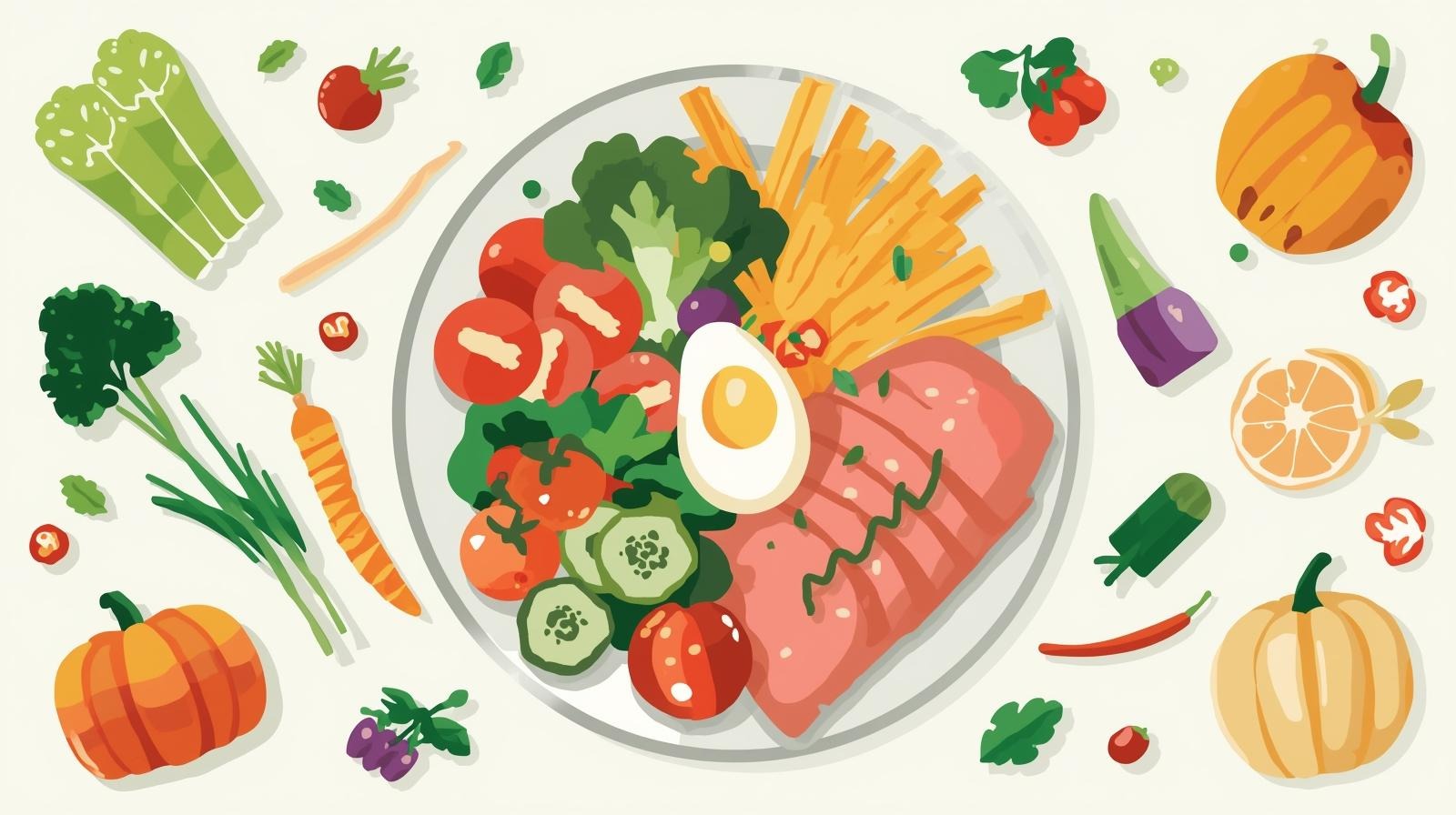
For most people, the practical goal is a varied, balanced diet rather than an HSV-specific ratio. The NHS Eatwell Guide recommends choosing a range of foods across the main food groups over a day or week.
Include varied protein sources that suit your diet, such as fish, eggs, dairy, lean meat, beans, lentils, tofu, nuts or seeds.
Eat fruit and vegetables, wholegrain or other starchy carbohydrates, and appropriate sources of unsaturated fat.
Drink enough fluid, particularly when unwell or taking medicine that requires good hydration.
Avoid turning one outbreak into a reason to eliminate several nutritious food groups.
Ask a registered dietitian for help if restrictions are affecting weight, energy, digestion, training or enjoyment of food.
A balanced diet supports general health. It should not be presented as a treatment that suppresses HSV or replaces antiviral care.
If You Suspect a Personal Food Trigger
You can investigate a repeatable pattern without adopting a permanent restrictive diet:
Record suspected foods, portions, symptoms, sleep, stress, illness, sun exposure and medication for several weeks.
Look for the same pattern on more than one occasion rather than assuming one coincidence proves a trigger.
Change one factor at a time where practical.
Avoid deliberately provoking an outbreak or stopping prescribed medication.
Reintroduce unnecessarily restricted foods with professional help if the pattern is unclear.
Tracking cannot prove cause on its own, but it may help you discuss recurring patterns with a clinician or dietitian. Our HSV outbreak-prevention guide covers other factors that may be more relevant.
Should You Take a Lysine Supplement?
There is no standard evidence-based lysine dose for preventing or treating HSV. Do not interpret an uncertain study as a personalised dosing instruction or assume that more is better.
Supplements can cause side effects, vary in quality and add expense. They may also be unsuitable with certain health conditions or medicines. Speak with a pharmacist, GP or registered dietitian before taking lysine regularly, especially if you have kidney, liver, cardiovascular or gallbladder problems, are pregnant or breastfeeding, or take other supplements or medicines.
If you choose to try a supplement after professional advice, agree in advance what outcome you are measuring and when you will stop if there is no clear benefit. Do not use lysine instead of prescribed antivirals or delay care for severe symptoms.
For a broader review of lysine, zinc, vitamin D and marketing claims, read our HSV supplements guide.
What Has Better Evidence?
Prescription antivirals such as aciclovir and valaciclovir have stronger evidence for treating HSV symptoms and, in appropriate cases, reducing recurrences. The right medicine, dose and treatment strategy depend on the HSV type and location, symptom pattern, kidney function, immune status, pregnancy and other medicines.
For genital HSV, avoiding sexual contact during warning symptoms or lesions, using condoms and discussing suppressive therapy with a clinician can reduce transmission risk but cannot remove it. Read our aciclovir and valaciclovir comparison and HSV transmission guide.
For oral HSV, our updated cold-sore guide explains treatment, transmission and when to seek medical advice.
Common Questions
Do I need to avoid chocolate, nuts or seeds?
No universal restriction is supported by good evidence. If you suspect a repeatable personal pattern, track it carefully and avoid removing several nutritious foods without professional advice.
What lysine-to-arginine ratio should I target?
There is no clinically validated dietary target for controlling HSV. Online ratios are calculations from food-composition data, not treatment thresholds tested in clinical practice.
Can lysine shorten an active outbreak?
Research is inconsistent and does not establish lysine as a reliable treatment. Seek advice about proven antiviral options, particularly for a first, severe or frequent episode.
Is a high-protein diet better for HSV?
No particular high-protein diet has been shown to control HSV. Choose protein sources that fit your nutritional needs, preferences and medical circumstances.
Can I combine lysine with antivirals?
Do not assume the combination is automatically safe or more effective. Tell your prescriber or pharmacist about every supplement you take.
Does diet replace suppressive therapy?
No. Dietary strategies have not been shown to provide the same evidence-based benefits as appropriately prescribed antiviral treatment.
Sources and Further Reading
Last reviewed: 5 October 2026. Written by Jordan. This article has not been medically reviewed and provides general education, not personalised nutrition or treatment advice.
MODERN HSV PLAYBOOK
THE SERIES
© 2026 Modern HSV Playbook. All rights reserved.
SITE
Content for informational purposes only. Not a substitute for professional medical advice.