SAVE 30% ON EACH EBOOK AND 60% ON THE COMPLETE BUNDLE!
How to Reduce Genital Herpes Outbreaks
Learn what can reduce genital herpes outbreaks, including suppressive antivirals, early episodic treatment, trigger tracking and the limits of supplements.
MEDICAL & WELLNESS
Brandon Hart
2/19/20265 min read
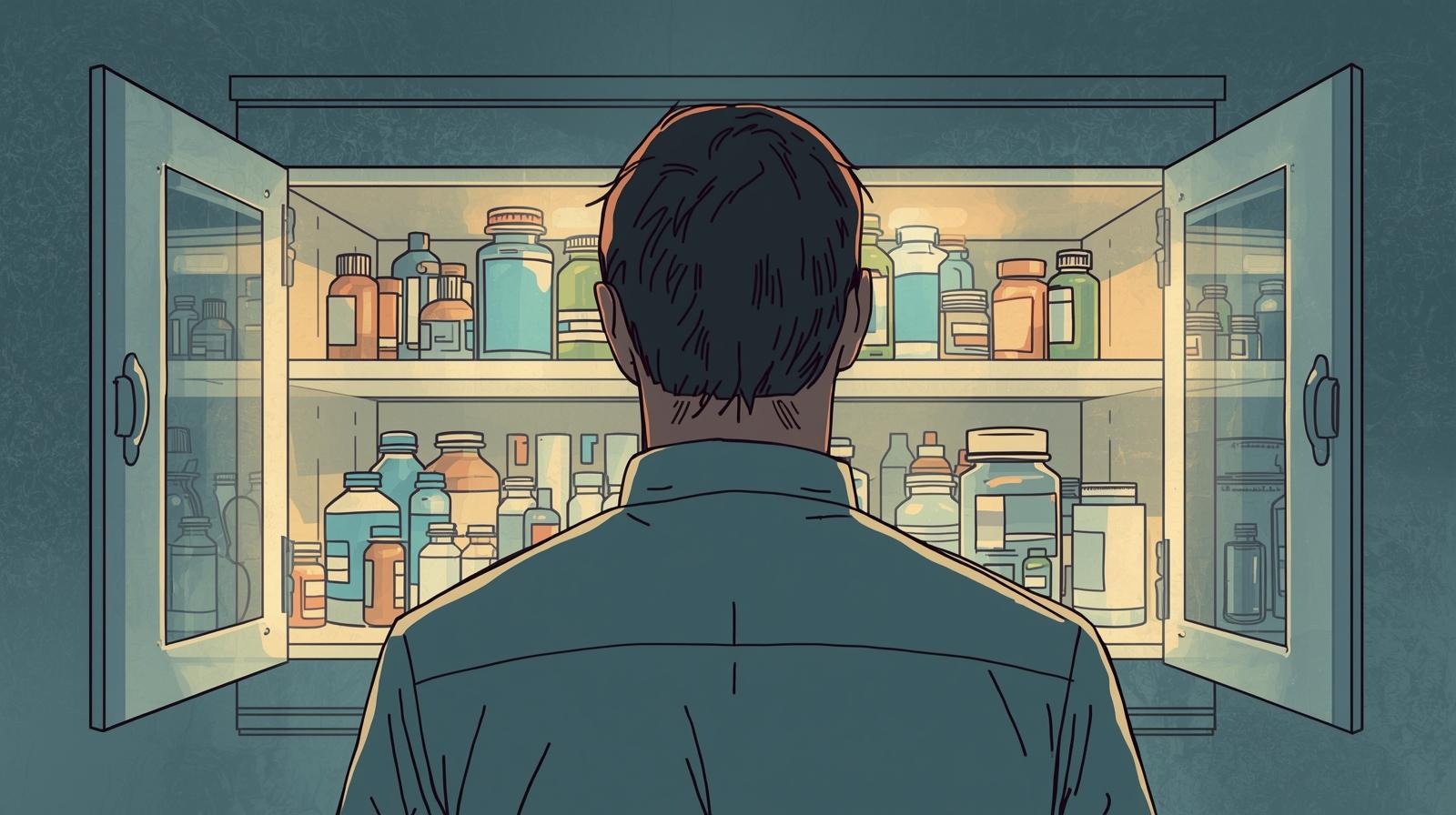
How to reduce genital herpes outbreaks: the quick answer
No method prevents every genital herpes outbreak. The strongest evidence is for daily suppressive antiviral treatment prescribed by a clinician. Early episodic treatment can shorten an outbreak when it starts, but it does not prevent future recurrences.
Regular sleep, stress care and a balanced diet support general health. They may help some people manage patterns they notice, but research does not support assigning them precise outbreak-reduction percentages. Supplements and restrictive diets have not been shown to work like antiviral medicine.
Why outbreaks recur
Herpes simplex virus remains in nearby nerve cells after the first infection. It can reactivate later, causing symptoms in the same general area. Recurrence patterns vary widely: some people have frequent outbreaks, some have occasional symptoms and others have none that they recognise.
Genital HSV-2 usually recurs more often than genital HSV-1. Outbreaks may also become less frequent over time. Your HSV type, symptom history and other health factors therefore matter when choosing a prevention plan.
1. Confirm the diagnosis and HSV type
Before treating repeated symptoms as herpes, get the diagnosis confirmed. When a fresh sore is present, a swab tested by PCR or another nucleic acid amplification test is generally the preferred way to confirm HSV and identify the type. Blood tests have important limitations and cannot show the location of infection.
HSV type helps set realistic expectations because genital HSV-1 tends to recur and shed less often than genital HSV-2. See our guide to genital herpes symptoms in men for common signs and reasons to seek testing.
2. Discuss daily suppressive antiviral therapy
Daily suppressive therapy has the best evidence for reducing recurrent genital herpes outbreaks. The US Centers for Disease Control and Prevention reports that suppressive therapy reduces recurrences by 70–80% in people with frequent outbreaks. It can also benefit people whose outbreaks are less frequent.
Acyclovir, valacyclovir and famciclovir are established options. The right medicine and dose depend on factors such as outbreak frequency, kidney function, other medicines and pregnancy. A clinician should prescribe and review the plan. Our valacyclovir versus acyclovir guide explains the practical differences without replacing individual medical advice.
Suppressive treatment does not remove HSV from the body. It can lower outbreak frequency and, in some circumstances, reduce transmission risk. It does not make transmission impossible, so combine it with avoiding sex during symptoms and other agreed precautions.
3. Keep an episodic treatment plan ready
Episodic antiviral treatment is taken when an outbreak begins. It works best when started during the prodrome—the tingling, burning or discomfort that can precede sores—or within one day of lesions appearing. Ask a clinician for clear instructions and keep the prescribed medicine available so you are not waiting for an appointment after symptoms begin.
This approach can shorten and ease an episode. It is different from daily suppression and does not prevent the next outbreak. Do not change the dose or use leftover medicine without checking that the plan is still appropriate.
4. Track possible personal triggers carefully
People often report illness, emotional stress, poor sleep, friction or other events before an outbreak. These associations are not consistent for everyone, and one outbreak after a particular food or stressful day does not prove a trigger.
A simple diary is more useful than a long avoidance list. Record the outbreak date, early symptoms, illness, unusual friction, major stress, sleep disruption and missed medication. Look for a pattern that repeats several times. This can help you discuss practical changes with a clinician while avoiding unnecessary restrictions or self-blame.
5. Reduce friction if it repeatedly precedes symptoms
If sex, cycling, running or tight clothing repeatedly irritates the same area before symptoms, reducing friction may be reasonable. Use adequate lubricant during sex, choose comfortable clothing and allow irritated skin to recover. Avoid sexual contact when tingling, pain or sores are present.
Friction reduction is a practical comfort measure. There is no reliable percentage showing how much it prevents HSV recurrence, and irritation can also have causes other than herpes.
6. Support general health without promising outbreak prevention
Regular sleep, physical activity, a varied diet and suitable stress support are worthwhile for overall health. They can also make living with a recurring condition easier. Current guidance does not show that a particular sleep schedule, exercise routine or stress technique will prevent a set proportion of genital herpes outbreaks.
A sudden increase in outbreaks can sometimes coincide with illness, immune suppression or a change in treatment. Speak with a clinician if the pattern changes markedly, rather than trying to correct it with increasingly strict routines.
7. Be cautious with supplements and restrictive diets
No supplement has been proven equivalent to antiviral therapy for preventing genital herpes outbreaks. Evidence for lysine is limited and inconsistent, and major clinical guidelines do not recommend high-dose lysine as standard genital herpes prevention. High doses and supplement combinations can cause side effects or interact with medicines.
Vitamin D, zinc and other nutrients are important to health, but taking more than you need does not mean better HSV control. Use supplements for a diagnosed deficiency or on advice from a qualified healthcare professional. Too much vitamin D or zinc can be harmful.
There is also no good reason for everyone with HSV to routinely eliminate nuts, chocolate, seeds or oats because they contain arginine. Avoid a food if you have an allergy, another medical reason or a convincing repeated personal pattern—not because a single amino-acid ratio promises outbreak control.
For a closer look at supplement studies and marketing claims, read our HSV supplements guide.
When to review your prevention plan
Arrange a medical review if outbreaks are frequent or painful, symptoms change suddenly, the diagnosis is uncertain, treatment causes side effects, or you are pregnant, planning pregnancy or immunocompromised. Seek urgent advice for eye symptoms, severe illness, difficulty passing urine or widespread lesions.
The CDC recommends discussing suppressive therapy with a clinician periodically, often once a year. Recurrence frequency can change, and some people decide to continue while others try a different approach. Genital HSV-1 usually needs suppression only when recurrences are frequent, using shared decision-making.
Common questions
Can outbreaks be completely prevented?
No. Suppressive antivirals can greatly reduce recurrences for many people, but breakthrough outbreaks can still happen.
Do fewer outbreaks mean there is no transmission risk?
No. HSV can be shed without visible sores. Fewer symptoms do not prove that transmission cannot occur.
Will outbreaks become less frequent over time?
They often do, but the pattern varies. Genital HSV-1 generally recurs less often than genital HSV-2.
Is suppressive therapy lifelong?
Not necessarily. It can be continued when the benefits remain useful and reviewed with a clinician as your pattern and preferences change.
Can stress cause an outbreak?
Some people notice an association, but stress does not predict every recurrence and an outbreak is not a personal failure. Track repeated patterns rather than treating one stressful event as proof.
Primary sources and guidance
Last reviewed: 21 September 2026. Written by Brandon Hart. This article has not been medically reviewed and is for general education, not diagnosis or personalised treatment advice.
MODERN HSV PLAYBOOK
THE SERIES
© 2026 Modern HSV Playbook. All rights reserved.
SITE
Content for informational purposes only. Not a substitute for professional medical advice.