Save OVER 30% on all ebooks AND 40% ON EBOOK BUNDLE!
Lysine vs Arginine Foods for HSV — Full List
Which foods help manage HSV outbreaks? Complete lysine and arginine food guide with meal plans and supplement advice.
MEDICAL & WELLNESS
Jordan
3/12/20266 min read
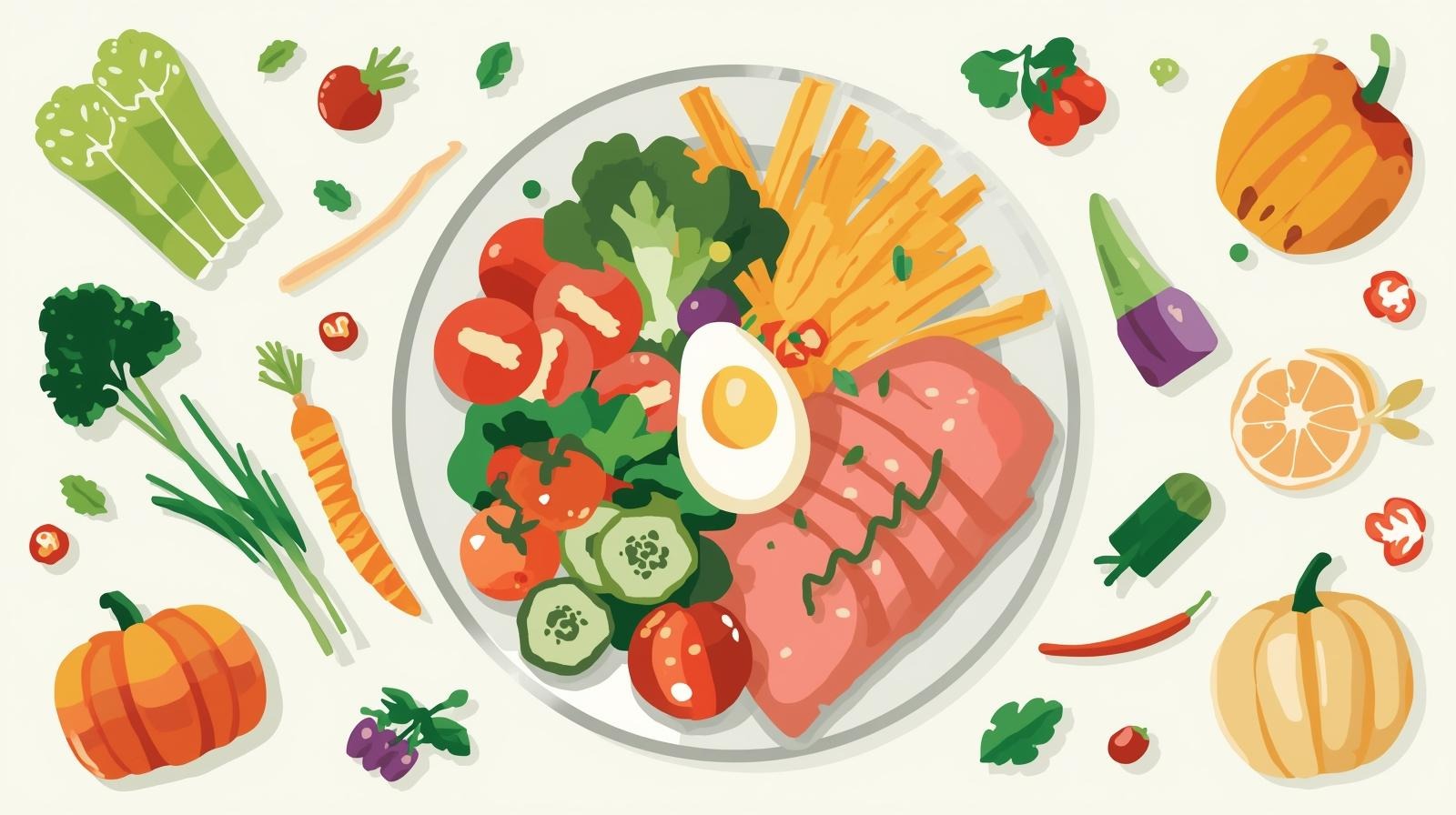
Walk into any health food shop and mention herpes, and someone will inevitably recommend lysine supplements. Whilst lysine does play a role in HSV management, the science is more nuanced than supplement marketing suggests. Understanding the lysine-arginine relationship—and building a practical eating strategy around it—provides one additional tool in comprehensive outbreak prevention, though never a replacement for antiviral medication.
The core principle: HSV requires arginine for viral replication. Lysine competes with arginine for absorption, potentially limiting the amino acid availability the virus needs to replicate. A diet favouring lysine over arginine may create conditions less conducive to viral reactivation, though individual responses vary significantly.
_________________________________________________________________________________________________________________
Lysine vs Arginine: The Science
What They Do (Viral Replication)
Research dating to 1968 demonstrated that arginine is necessary for herpes simplex-1 virus replication. The virus requires arginine to synthesise viral proteins and facilitate replication. Lysine doesn’t directly attack the virus but rather inhibits arginine’s availability through competitive inhibition—both amino acids use the same cellular transport mechanisms for absorption.
When lysine intake significantly exceeds arginine intake, less arginine becomes available for viral use, potentially slowing replication and reducing outbreak severity or frequency.
The Amino Acid Battle
Both lysine and arginine are essential amino acids your body needs for various functions beyond HSV management. Arginine supports immune function, wound healing, hormone regulation, and cardiovascular health. Lysine contributes to calcium absorption, collagen formation, and immune response. The goal isn’t eliminating arginine entirely—impossible and unhealthy—but rather maintaining a lysine-favourable ratio, particularly during high-risk periods.
Most Western diets naturally provide more lysine than arginine due to preferences for meat and dairy over legumes, whole grains, and nuts. However, popular snack foods (chocolate, nuts, seeds) and health-focused choices (oats, whole wheat, plant proteins) skew heavily toward arginine.
Research on Lysine Supplementation
A 1984 study published in Dermatologica found that lysine supplementation (1,000mg three times daily) reduced outbreak frequency and severity in some participants. However, research remains mixed. Some studies show benefit; others demonstrate no significant effect.
The variability likely reflects individual differences in metabolism, baseline dietary intake, immune function, and outbreak trigger profiles. Lysine appears most effective when: baseline dietary lysine-to-arginine ratio is poor, supplementation exceeds 3,000mg daily, and it’s combined with dietary arginine reduction.
Arginine Trigger Evidence
Anecdotal evidence strongly suggests that high-arginine foods trigger outbreaks in some individuals, particularly chocolate, nuts, and seeds. However, this pattern isn’t universal—many people with HSV consume these foods without issue. Individual trigger profiles require personal experimentation and tracking.
_________________________________________________________________________________________________________________
The Lysine-Rich Food List
High-Protein Foods (Meat, Fish, Dairy)
Animal proteins provide the highest lysine content with favourable lysine-to-arginine ratios:
Poultry (per 100g cooked):
Chicken breast: 3,083mg lysine
Turkey: 2,400mg+ lysine
Chicken leg: 2,700mg+ lysine
Fish and Seafood (per 100g):
Salmon: 2,800–3,400mg lysine
Tuna: 2,600mg lysine
Cod: 2,400mg lysine
King crab: 1,684mg lysine
Shrimp: 1,600mg lysine
Red Meat (per 100g):
Lean beef (sirloin): 2,160mg lysine
Pork: 2,200mg lysine
Lamb: 2,100mg lysine
Dairy (excellent lysine-to-arginine ratio):
Parmesan cheese: 3,300mg lysine per 100g
Milk: 1,382mg per 16oz glass
Yoghurt: 760mg per cup
Eggs: 450mg per large egg
Legumes and Beans
Most legumes provide high lysine but also high arginine—use moderately:
Better options (higher lysine-to-arginine ratio):
Lentils: moderate ratio, use in balanced meals
Black beans: acceptable ratio
Lima beans: nearly 1:1 ratio
Limit: Chickpeas, soy products (tofu, soy milk) show poorer lysine-to-arginine ratios.
Nuts and Seeds (Safe Options)
Most nuts and seeds are high-arginine foods to limit. However, in small quantities as part of lysine-rich meals, moderate amounts may be tolerable once outbreaks are controlled.
Supplements (Dosing)
During outbreaks: 1,000–3,000mg lysine daily (divided doses with meals) may reduce outbreak duration and severity. Start with 1,000mg three times daily.
For prevention: 1,000–1,500mg daily provides baseline support. Some individuals use 500mg daily maintenance with increased dosing during high-stress periods.
Safety: Lysine supplementation up to 3,000mg daily appears safe for most adults. Consult healthcare providers before starting, particularly if you have kidney disease or take calcium supplements.
_________________________________________________________________________________________________________________
The Arginine-Rich Foods to Limit
Nuts and Seeds (High Arginine)
All nuts and seeds contain significantly more arginine than lysine—limit during active outbreak periods:
Pumpkin seeds (extremely high arginine)
Cashews, hazelnuts, pine nuts (poor ratios)
Almonds, walnuts, peanuts
Sunflower seeds, sesame seeds, flaxseeds
Chocolate (Major Trigger)
Chocolate ranks amongst the most commonly reported dietary outbreak triggers due to very high arginine content. Dark chocolate, cocoa powder, and milk chocolate all contain significant arginine. Small amounts (one square) may be tolerable once outbreaks stabilise, but avoid during active outbreaks.
Grains and Processed Foods
Whole grains provide health benefits but unfavourable lysine-to-arginine ratios:
Oats and oatmeal (0.531 ratio)
Whole wheat and wheat germ (0.743 ratio)
Brown rice
Corn (1.05 ratio—borderline)
White rice and processed grains contain less protein overall, making them relatively neutral choices.
Certain Fruits and Vegetables
Most fruits and vegetables contain minimal protein, making them largely neutral. However:
Limit: Orange juice, grape juice, tangerine juice (poor ratios due to arginine in small protein content)
Safe: Most fresh fruits (minimal protein impact), cabbage, sweet potato, turnip greens (favourable ratios)
_________________________________________________________________________________________________________________
Building Your HSV Diet Plan
Breakfast Ideas (High Lysine)
Greek yoghurt (300mg lysine) with berries, topped with 1 scoop vanilla protein powder (lysine-fortified whey)
Three-egg omelette (1,350mg lysine) with cheese (500mg+), served with turkey bacon (400mg)
Smoked salmon (2,800mg per 100g) on white toast with cream cheese
Cottage cheese bowl with sliced strawberries
Lunch/Dinner Ideas
Grilled chicken breast (3,000mg lysine per 6oz) over mixed greens with olive oil dressing
Baked salmon fillet (3,400mg per 6oz) with roasted vegetables and white rice
Beef stir-fry with broccoli, peppers, served over white rice
Turkey chilli with minimal beans, topped with cheese and Greek yoghurt
Tuna salad (2,600mg per serving) with hard-boiled eggs on mixed greens
Snacks to Choose
String cheese (200mg lysine)
Greek yoghurt (250–500mg depending on size)
Deli turkey roll-ups (400mg per 3 slices)
Hard-boiled eggs (450mg each)
Protein shake with whey protein (lysine-rich)
Foods to Avoid During Outbreaks
Strictly limit during active outbreaks or prodromal symptoms:
All chocolate and cocoa products
Nuts, seeds, nut butters
Oatmeal and granola
Whole wheat bread and pasta
Soy products
Energy bars (often contain nuts, oats, chocolate)
_________________________________________________________________________________________________________________
Combining Diet + Antivirals
Dietary lysine-arginine balance provides supplementary support—never a replacement for antiviral medication. Daily suppressive therapy (valaciclovir 500mg) reduces outbreaks 70–90%; dietary strategies might add incremental 10–20% benefit for responsive individuals.
The optimal approach combines:
Daily antiviral suppression (primary prevention)
Lysine-rich diet emphasising animal proteins, dairy, fish
Arginine-rich food limitation, particularly chocolate, nuts, oats
Lysine supplementation 1,000–3,000mg daily
Stress management, sleep optimisation, immune support
_________________________________________________________________________________________________________________
Tracking What Works for You
Individual responses to dietary changes vary significantly. Systematic tracking reveals personal patterns:
Daily food intake (focus on high-arginine foods consumed)
Lysine supplement timing and dosing
Outbreak occurrence, severity, duration
Other variables (stress, sleep, illness)
Pattern recognition: After 3 months, patterns emerge showing whether chocolate triggers your outbreaks, if lysine supplementation reduces frequency, or if dietary changes make no noticeable difference for you personally.
_________________________________________________________________________________________________________________
FAQ: Nutrition Questions
Will eliminating arginine prevent all outbreaks?
No—dietary changes provide supplementary support, not primary prevention. Stress, sleep deprivation, illness, and other factors trigger outbreaks regardless of diet.
How long until dietary changes show effect?
If effective for you, benefits typically emerge within 4–6 weeks of consistent dietary modification plus lysine supplementation.
Can I ever eat chocolate or nuts again?
Many people tolerate small amounts once outbreaks stabilise with medication and lifestyle strategies. Experiment cautiously during low-stress periods.
Are lysine supplements necessary if I eat high-lysine foods?
Not necessarily, but supplementation ensures consistent intake regardless of daily meal variations.
What lysine-to-arginine ratio should I target?
Aim for 2:1 lysine-to-arginine ratio or higher. High-protein animal-based diets naturally achieve this.
_________________________________________________________________________________________________________________
Practical Nutrition for HSV Management
The lysine-arginine dietary approach offers one additional tool in comprehensive HSV prevention—not a miracle cure. Evidence suggests that for responsive individuals, combining lysine-rich foods (chicken, fish, dairy, eggs providing 2,000–3,000mg per serving), limiting arginine-rich triggers (chocolate, nuts, seeds, oats), and supplementing 1,000–3,000mg lysine daily creates conditions less favourable for viral reactivation.
However, individual variation is substantial. Some men notice dramatic outbreak reduction with dietary modification; others see no effect. The only way to determine your response is systematic experimentation tracked over 90 days.
Dietary strategies complement—never replace—antiviral suppression, stress management, sleep optimisation, and immune support. Men achieving the best outcomes combine evidence-based interventions across all domains rather than relying on any single strategy.
Your grocery list matters, but it’s one ingredient in comprehensive HSV management—not the entire recipe.
_________________________________________________________________________________________________________________
Download the Complete Lysine-Arginine Food Guide PDF with printable grocery lists, meal planning templates, lysine-to-arginine ratio charts for 100+ common foods, supplement dosing protocols, and 30-day meal plan optimised for outbreak prevention.
Diet is one lever. If you want the complete picture — from antiviral options and outbreak triggers to the science of suppression — The Modern Man’s Guide to HSV: Vol I brings it all together in one evidence-based guide.
MODERN HSV PLAYBOOK
Evidence-based guides for men living with HSV. Research-backed, radically honest, and written by someone who has been there.
THE SERIES
© 2026 Modern HSV Playbook. All rights reserved.
SITE
Content for informational purposes only. Not a substitute for professional medical advice.