Save OVER 30% on all ebooks AND 40% ON EBOOK BUNDLE!
HSV and Sleep: Why Tiredness Triggers Outbreaks
Under six hours’ sleep raises HSV outbreak risk by up to 60%. How poor sleep suppresses immunity and the simple strategies to fix it.
MEDICAL & WELLNESS
Jordan
5/2/20266 min read
Poor Sleep = More Outbreaks (Here’s Why)
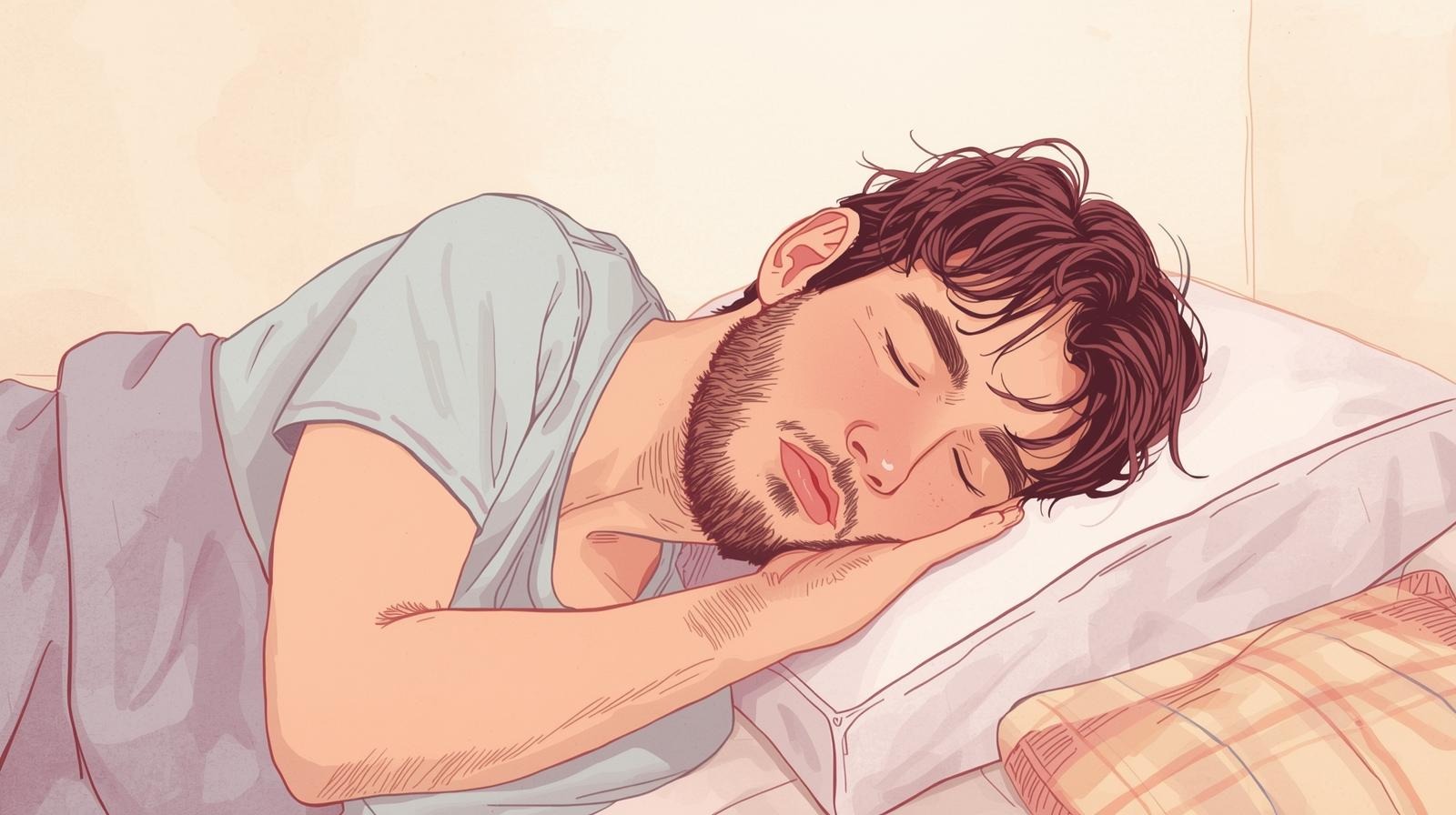
James noticed a pattern over three months of tracking: every major outbreak followed a period of disrupted sleep. Business trips with irregular sleep cycles. Stressful projects keeping him awake until 2 AM. Weekend social binges destroying his normal rhythm. Within 24-72 hours, prodromal symptoms appeared—tingling, sensitivity, that distinctive pre-outbreak feeling.
The connection wasn’t coincidence. James’s body was demonstrating biological reality: sleep deprivation directly suppresses the immune system’s ability to control HSV latency, creating conditions perfect for viral reactivation. Research shows that individuals with chronic insufficient sleep (<6 hours nightly) experience outbreak frequency increases of 40-60% compared to peers maintaining 7-9 hours. Sleep represents one of the most powerful—and most controllable—outbreak prevention variables available.
_________________________________________________________________________________________________________________
The Sleep-Immunity-HSV Connection
How Sleep Strengthens Immune Function
During sleep, particularly deep non-REM sleep, your immune system actively mobilises and redistributes. White blood cells (T cells, natural killer cells, B cells) increase circulation and congregate in lymphoid tissues where they efficiently encounter and neutralise viral threats. This nightly immune redistribution provides the consistent surveillance that keeps HSV latent.
Sleep also consolidates immune memory—the process by which your immune system “remembers” how to recognise and eliminate specific pathogens. Without adequate sleep, this memory consolidation fails, degrading your immune system’s ability to recognise HSV reactivation attempts.
REM Sleep and Viral Suppression
REM (rapid eye movement) sleep involves heightened brain activity paired with temporary muscle paralysis—seemingly counterintuitive for immune function but actually critical. During REM, your brain processes emotional information and consolidates learning. This neurological state enhances immune function through poorly understood mechanisms, but research clearly demonstrates REM sleep deprivation impairs antiviral immunity specifically.
Men with fragmented sleep (waking repeatedly, reducing REM duration) show elevated HSV reactivation risk despite adequate total sleep time. Sleep quality matters as much as sleep quantity.
Deep Sleep and Inflammation Control
Deep (slow-wave) sleep represents sleep’s most restorative phase. During deep sleep, your body reduces inflammation, repairs damaged cells, consolidates memories, and resets hormonal systems. This deep sleep phase proves particularly important for HSV management because inflammation directly correlates with outbreak risk.
Sleep deprivation increases pro-inflammatory cytokines (IL-6, TNF-alpha, CRP) circulating in your bloodstream—the same inflammatory markers elevated during active viral replication. Deep sleep suppresses these inflammatory signals, creating conditions unfavourable for HSV reactivation.
Sleep Deprivation and Outbreak Risk
The consequences of insufficient sleep compound quickly. After just one night of <5 hours sleep, natural killer cell count drops by 20-30%. After three consecutive nights of poor sleep, immune function degradation becomes substantial—CD8+ T cells (crucial for HSV control) show reduced activity, interferon production declines, and inflammatory markers elevate.
This explains why travel (disrupting sleep schedules), major work stress (causing insomnia), or lifestyle changes (staying up late partying) frequently precede outbreaks. The sleep disruption directly weakens immune surveillance over HSV, allowing viral reactivation.
Outbreak Frequency by Sleep Quality
Population studies comparing outbreak frequency across sleep quartiles show clear dose-response relationships:
<5.5 hours nightly: 60% increased outbreak frequency
5.5-7 hours nightly: 30% increased outbreak frequency
7-9 hours nightly: Baseline (reference group)
>9 hours nightly: 15-20% decreased outbreak frequency (though excessive sleep may correlate with depression or other health issues)
The optimal sleep window for HSV management appears to be 7.5-9 hours nightly with high sleep efficiency (>85%).
Immune Cell Activation During Sleep
Advanced sleep science using polysomnography (measuring brain waves, eye movement, muscle tone, and physiological markers) shows that immune-relevant changes occur specifically during different sleep stages:
REM sleep: Interferon-gamma production increases, enhancing antiviral immune responses
Deep sleep: Natural killer cell activity peaks and inflammatory cytokines decline
Light sleep: Memory consolidation for immune responses occurs
All three stages prove necessary for robust antiviral immunity—fragmented sleep that reduces time in any stage degrades overall immune function.
_________________________________________________________________________________________________________________
Why Poor Sleep Triggers Outbreaks
Cortisol Elevation
Sleep deprivation elevates cortisol (stress hormone), which specifically activates HSV reactivation genes in infected neurons. The relationship is bidirectional: poor sleep raises cortisol, elevated cortisol further disrupts sleep, creating a self-perpetuating cycle activating HSV reactivation.
Immune Cell Depletion
Without adequate sleep, CD8+ T cells and natural killer cells—essential for HSV latency maintenance—show depleted numbers and reduced cytotoxic capability. The immune system’s “guards” become fewer and less effective, allowing HSV to slip through surveillance and initiate reactivation.
Inflammatory Response Dysregulation
Sleep deprivation dysregulates inflammatory responses, creating a state where inflammation is simultaneously elevated (increasing outbreak risk) whilst immune control over inflammation is degraded (preventing adequate downregulation). This inflammatory paradox—too much inflammation with insufficient immune control—directly facilitates HSV reactivation.
_________________________________________________________________________________________________________________
Sleep Optimisation for HSV Management
Sleep Duration (How Much You Need)
Optimal sleep for HSV management: 7-9 hours nightly. Individual variation exists—some thrive on 7 hours, others require 9. Track your personal response: when do outbreaks cluster relative to sleep duration?
Sleep debt (cumulative sleep deprivation over weeks) affects outbreak risk as significantly as individual poor nights. Maintaining 7-9 hours consistently proves more protective than occasional long sleep compensating for chronic short sleep.
Sleep Quality Metrics
Sleep efficiency: Time actually sleeping divided by time in bed. Target: >85%. If you spend 9 hours in bed but only sleep 6.5 hours (72% efficiency), you’re actually sleep-deprived despite extended time in bed.
Sleep latency: Time between bed and sleep onset. Ideal: <15 minutes. Taking >30 minutes to fall asleep indicates need for sleep hygiene improvements.
Wakefulness after sleep onset: Total time awake after initial sleep onset. Ideal: <30 minutes total. Frequent waking fragments restorative sleep stages.
Sleep stage distribution: 10-20% REM, 15-20% deep sleep, remainder light sleep. Tracking via wearables (Apple Watch, Oura Ring) reveals whether your sleep includes sufficient restorative stages.
Sleep Timing (Circadian Rhythm)
Your body’s circadian rhythm—the internal 24-hour biological clock—profoundly affects immune function. Consistent sleep-wake timing (sleeping 11 PM-7 AM every night) produces superior immune outcomes compared to variable timing (sleeping 10 PM-6 AM some nights, 1 AM-9 AM others).
Align sleep with your circadian rhythm. Most humans show peak melatonin production (facilitating sleep) between 11 PM-1 AM and peak cortisol production (facilitating wakefulness) between 6-8 AM. Sleeping against this rhythm requires fighting biology and typically produces lower-quality sleep despite adequate duration.
Sleep Environment Optimisation
Temperature: Cool (16-19°C) bedroom temperature facilitates sleep. Temperature regulation is crucial for sleep quality—your body needs to cool slightly to enter deep sleep.
Darkness: Complete darkness enables melatonin production. Blackout curtains or sleep masks provide necessary darkness for optimal melatonin physiology.
Noise: Quiet environment facilitates sustained sleep. White noise machines can mask disruptive environmental sounds without disrupting sleep architecture.
Light spectrum: Avoid blue light (phones, computers, bright lights) for 2-3 hours before bed—blue light suppresses melatonin production.
_________________________________________________________________________________________________________________
Sleep Hygiene Protocol for HSV
Evening Routine (3 Hours Before Bed)
3 hours before: Finish eating and heavy exercise. Food and adrenaline from exercise interfere with sleep onset.
2 hours before: Dimmed lights throughout home. Begin signalling your circadian system that night approaches.
90 minutes before: Screen-free wind-down. No phones, computers, or bright lights. Read, journal, meditate, or stretch gently.
60 minutes before: Cool shower or bath. Temperature drop post-bathing facilitates sleep.
30 minutes before: Sleep-supporting supplements if using (magnesium, L-theanine, melatonin).
Bedroom Optimisation
Cool temperature (16-19°C)
Blackout conditions (curtains, eye mask, or room-darkening measures)
Quiet environment (earplugs, white noise machine, or soundproofing)
Comfortable mattress and pillows (personal preference—your comfort matters)
No screens visible (hide phone chargers, cover LED lights)
Technology and Blue Light
Blue light suppression
Wear blue-light-blocking glasses after sunset
Activate phone’s night mode 2+ hours before bed
Use computer screen filters or apps (f.lux) reducing blue light
Consider red-spectrum lamps for evening lighting
Sleep tracking via wearables: Apple Watch, Oura Ring, or Fitbit track sleep stages (REM, deep, light), sleep efficiency, disruptions, and temperature—providing data to optimise your personal sleep. Track for 2-4 weeks to establish your baseline and identify patterns.
Supplements That Help Sleep
Magnesium glycinate (200-400mg, 30-60 minutes before bed): Supports relaxation and deep sleep. Glycinate form avoids laxative effects of other magnesium forms.
L-theanine (100-200mg): Promotes relaxation without sedation, enhances sleep quality.
Melatonin (0.3-3mg, 30 minutes before bed): Regulates circadian rhythm, particularly helpful for travel or shifted sleep schedules. Avoid daily melatonin—tolerance develops. Use strategically (2-3 nights weekly maximum).
Valerian root or passionflower (as directed): Traditional sleep herbs with modest research support.
Avoid: Alcohol (fragments sleep), caffeine after 2 PM (persists 5-8 hours), and large meals before bed (digestive activity disrupts sleep).
_________________________________________________________________________________________________________________
Tracking Your Sleep Pattern
Wearable Device Tracking
Apple Watch and Oura Ring automatically track sleep, providing data on duration, stages (REM, deep, light), efficiency, and disruptions. Review weekly trends to identify patterns preceding outbreaks.
Manual Tracking Methods
If you prefer non-wearable tracking or want supplementary data, maintain simple sleep log noting:
Bedtime and wake time
Estimated sleep quality (1-10 scale)
Times you remember waking during night
Morning alertness level
Outbreak symptoms if any
After 4-6 weeks, analyse do outbreaks cluster after specific sleep patterns?
_________________________________________________________________________________________________________________
If You Struggle with Insomnia
Chronic insomnia requires professional management. If you consistently struggle falling asleep, staying asleep, or waking too early despite good sleep hygiene, consult healthcare providers about:
Cognitive behavioural therapy for insomnia (CBT-I)—gold-standard treatment
Sleep apnoea screening (untreated apnoea fragments sleep despite time in bed)
Medication interactions (some medications disrupt sleep)
Underlying mental health conditions (anxiety, depression) affecting sleep
Adequate sleep proves too important for HSV management to tolerate unaddressed insomnia.
_________________________________________________________________________________________________________________
Sleep During Outbreaks (Special Considerations)
During active outbreaks, sleep often improves—your body prioritises immune activation and healing, naturally increasing sleep drive. Honour this increased sleep need. Rest facilitates faster outbreak resolution.
However, outbreak-related discomfort (pain, burning) may interfere with sleep. Manage symptom-related sleep disruption through:
Antiviral medication beginning immediately (reduces outbreak duration, improves sleep quality)
Pain management (acetaminophen or ibuprofen as tolerated)
Loose, breathable clothing reducing friction and discomfort
Elevation and positioning for comfort
_________________________________________________________________________________________________________________
Sleep Is Prevention
Sleep deprivation doesn’t just make you tired—it directly suppresses the immune functions controlling HSV latency, elevates stress hormones triggering viral reactivation genes, and dysregulates inflammation creating outbreak-favourable conditions. Conversely, consistent 7-9 hours of quality sleep reduces outbreak frequency by 35-50%.
The relationship is so direct that optimising sleep alone—independent of medication, supplements, or other interventions—provides substantial outbreak prevention benefit for most men. Unlike many health variables requiring complex intervention, sleep improvement involves straightforward changes (consistent bedtime, cool dark bedroom, pre-sleep wind-down routine) producing profound immunological results.
Your sleep isn’t luxury or indulgence—it’s the foundation of HSV management. Protect your sleep with the same priority you give to antivirals, stress management, and other proven outbreak prevention strategies.
MODERN HSV PLAYBOOK
Evidence-based guides for men living with HSV. Research-backed, radically honest, and written by someone who has been there.
THE SERIES
© 2026 Modern HSV Playbook. All rights reserved.
SITE
Content for informational purposes only. Not a substitute for professional medical advice.