SAVE 30% ON EACH EBOOK AND 60% ON THE COMPLETE BUNDLE!
Creating an In-Person HSV Support Group: How to Start
No local HSV support group? Learn how to find co-leaders, choose a private venue, set clear group rules and run a first meeting with a practical agenda.
COMMUNITY & SUPPORT
Brandon
7/6/20266 min read
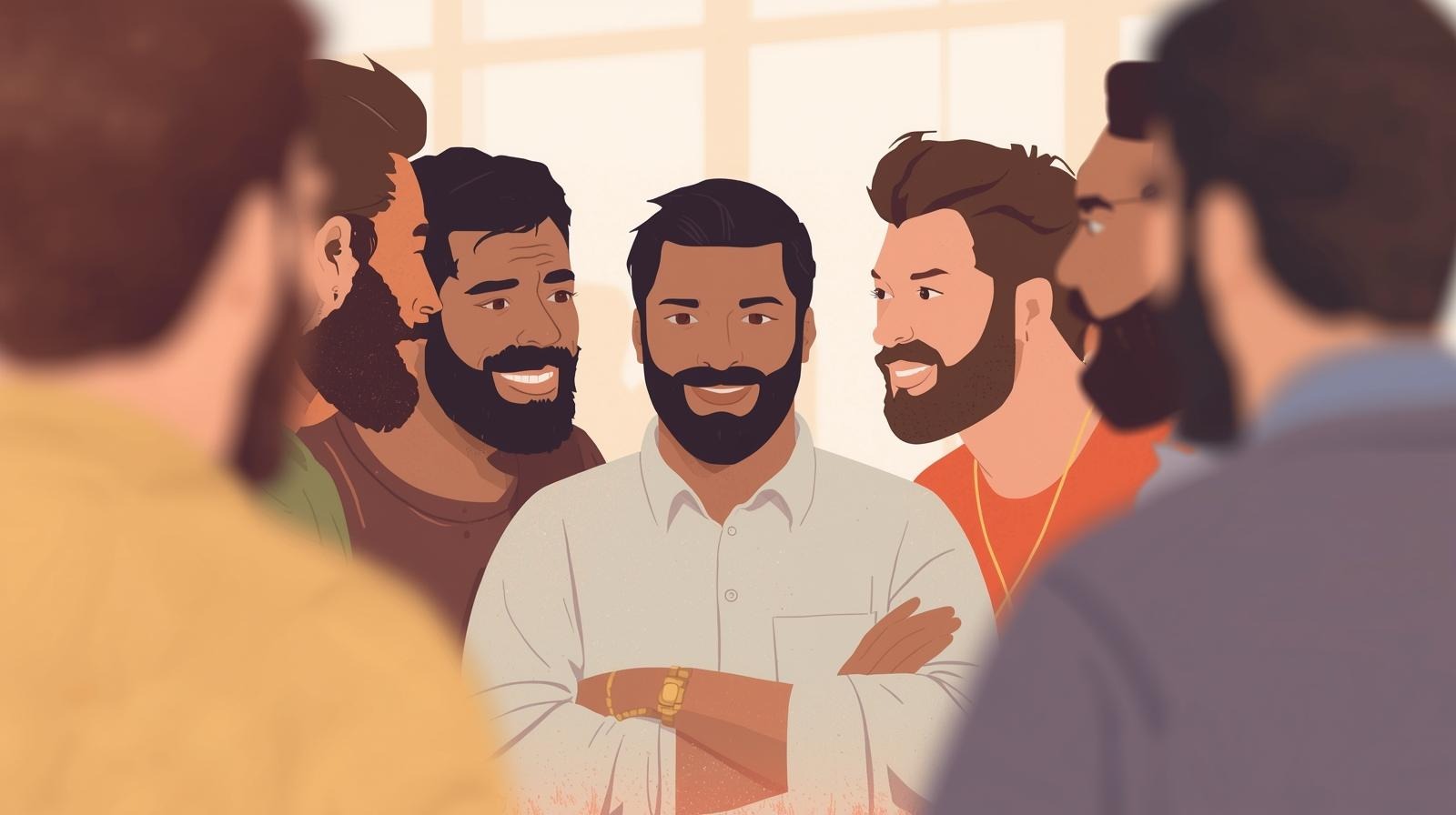
You Can Build a Support Community (Here’s How)
If you cannot find a local HSV support group that feels welcoming and well run, you can start a small one. Begin by checking whether people want to meet, finding a private and accessible venue, and agreeing clear boundaries about confidentiality and medical advice. Two or three people are enough for a first meeting; this guide gives you a simple launch plan and a sample agenda.
Starting a group doesn’t require being a therapist, an influencer, or a finished product. You just need willingness, a basic structure, and respect for privacy. The rest you can build as you go.
Why Start an In‑Person Group?
Fill the Gap
Many regions have no HSV‑specific groups, or existing ones are hard to find. Your group can become the missing link between diagnosis and real‑world support.
Real Connection
Online communities are powerful, but sitting in a room with peers is different: eye contact, shared laughter, “me too” moments, and the relief of being fully seen.
Leadership Opportunity
Facilitating a group is a practical way to turn your diagnosis into leadership—organising, holding space, and modelling healthy masculinity under pressure.
Impact on Community
A well‑run group doesn’t just help attendees; it raises the baseline of HSV literacy, reduces local stigma, and can even influence how nearby clinicians talk to patients.
Pre‑Launch Assessment
Your Readiness
Ask yourself:
Am I emotionally stable enough to hear others’ stories without being overwhelmed?
Can I maintain boundaries (I’m a facilitator, not a saviour or therapist)?
Am I okay starting small—maybe even with 2–3 people?
You don’t need to be “fully healed,” but you should have basic stability and some support of your own.
Community Need
Check:
Local HSV listings (Herpes Opportunity, ASHA, HVA, SPFPP, DatingWithHerpes.org).
Reddit/Discord: ask, “Is there any in‑person group in city?”
If nothing close and current exists, that’s your opening.
Finding Co‑Leaders
Look for 1–2 people who:
Show up reliably in online groups.
Communicate calmly and respectfully.
Are interested in co‑facilitating or at least helping with logistics.
Co‑leaders reduce burnout and make the group more resilient.
Resources Available
Identify:
Potential venues (library rooms, community centres, church basements, clinic rooms).
Existing guidelines/templates (e.g. local safeguarding guidance, SPFPP/ASHA guidance).
Any local organisations willing to list your group.
The Launch Plan (Step‑by‑Step)
Step 1: Define Your Group (Weeks 1–2)
Clarify the basics:
Format
Support‑focused (sharing feelings, experiences).
Educational (short teaching + discussion).
Social (more casual meetups, events). You can blend, but pick a primary focus.
Frequency
Monthly is easiest to sustain.
Fortnightly if demand is high and you have co‑leaders.
Location
In‑person: quiet, neutral, private venue.
Hybrid: in‑person with a laptop for remote joiners.
Start with in‑person if your goal is local community.
Target audience
Men only, mixed‑gender, age‑specific, or open to all HSV‑positive people. Name it clearly so people know who it’s for.
Step 2: Get the Basics Ready (Weeks 1–3)
Find venue
Criteria:
Free or low‑cost (libraries, community centres, university rooms, some clinics).
Private enough that conversations can’t be overheard.
Accessible by public transport; decent parking.
Approach email example:
“Hi (Name), I’m organising a confidential health peer‑support group for adults living with a chronic viral condition. We need a small, private room for 1.5 hours once a month. There’s no commercial activity and no medical procedures—just conversation and support. Is there a space that might work?”
Recruit co‑leaders
Draft 1–2 pages (see template below).
Privacy/confidentiality protocols
Decide:
First names or pseudonyms only.
No photos or recordings.
What happens if someone breaks confidentiality (gentle but firm response).
Step 3: Market and Recruit (Weeks 3–6)
Local HSV community outreach
Ask clinic health advisers if they know patients who might be interested (they can share your flyer).
Online community announcements
Post in:
Reddit (r/HSVpositive, r/HerpesQuestions).
Recruitment post template:
“Starting a confidential, in‑person HSV support group in City. Monthly, 90 minutes, men‑centred but inclusive of all who identify with that experience. Focus: real talk, practical support, zero judgement. DM for details.”
Social media promotion
If comfortable, use anonymous accounts or closed groups to share a minimal‑detail post (city, type of group, contact email).
Word‑of‑mouth strategy
Tell 1–2 trusted friends who might quietly spread the word to people they know who are HSV‑positive.
Step 4: Prepare Your First Meeting (Week 6)
Timing at a glance
Use this outline to book a 60–90-minute room; the full first-meeting agenda below gives prompts for each part:
1. Welcome (5–10 min)
2. Icebreaker/check‑in (10–15 min)
3. Group purpose & ground rules (10 min)
4. Open sharing or guided topic (40–45 min)
5. Closing round + next date (10–15 min)
Introduction script
“This group exists so none of us has to do this alone. We’re here to listen, share, and support—not to fix or judge. I’m not a doctor or therapist; I’m just someone living with HSV who wanted a space like this.”
Discussion topics (first session)
Diagnosis stories (optional—people only share what they’re ready for).
Biggest current challenge (dating, shame, disclosure, outbreaks).
Logistics
Directions, parking, building access.
Clear signage only if it doesn’t compromise privacy; otherwise, meet in lobby and walk people in.
Step 5: Launch and Sustain (Week 7+)
First meeting best practices
Start on time, even if only 2–3 people.
Model vulnerability but keep it contained.
Thank everyone for showing up—it’s a big deal.
Building culture
Reinforce guidelines at every meeting.
Encourage equal airtime; gently interrupt monologues.
Normalise emotion, tears, and also humour.
Retention strategies
Email or message attendees with a thank‑you and next date.
Ask for anonymous feedback after a few sessions.
Scaling the group
Cap group size (e.g. 8–12) for depth; open a second group or split by theme if demand grows.
Train frequent attendees as future co‑leaders.
Group Guidelines Template
Include points like:
Confidentiality
“What’s shared here stays here.”
No recording, screenshots, or sharing identifiable details outside the group.
No Medical Advice
Share personal experiences, not prescriptions.
Encourage members to consult healthcare providers for medical decisions.
Healthy Boundaries
Romantic/sexual approaches to fellow members are discouraged within group context.
Outside contact only if mutually and explicitly agreed; group is not a dating pool.
Have people verbally agree on first visit; physical signed confidentiality agreements are optional but can add clarity.
Full First-Meeting Agenda
1.Welcome and Icebreaker
Name (or pseudonym) and one non‑HSV fact (hobby, favourite film).
2. Group Purpose Overview
Why the group exists, what it is and isn’t.
3.Ground Rules
Read guidelines aloud; ask for nods/agreements.
4.Member Introductions
Each person shares as much or as little as they want: diagnosis timeframe, what brought them here.
5.First Topic/Activity
Example: “What’s one thing you wish you knew in your first month after diagnosis?”
6. Next Meeting Planning
Confirm date, time, possible topics.
Invite volunteers to suggest or co‑facilitate future sessions.
Handling Common Challenges
Low Attendance
Expect slow build. Two people is still a group.
Keep showing up consistently for at least 3–6 months before judging viability.
Adjust time or venue if feedback suggests.
Dominating Personalities
Gently intervene:
“I really appreciate what you’re sharing. I want to make sure others get time too—let’s pause here and hear from some people who haven’t spoken yet.”
Difficult Topics
Set a norm: “We can talk about anything, but we’re not here to trauma‑dump without support.”
If someone discloses acute crisis (suicidal thoughts etc.), validate and calmly signpost to professional/crisis resources; you’re not an emergency service.
Conflict Resolution
Reflect back both perspectives; return to guidelines.
If needed, offer to continue sensitive discussions after group time, or privately as facilitators.
Sustaining Long‑Term
Leadership Rotation
Invite regulars to facilitate check‑ins or topics.
Over time, develop a small leadership circle to avoid a single point of failure.
Preventing Burnout
Set your own boundaries (e.g. no WhatsApp responses after 9 pm).
Take occasional breaks; let co‑leaders run some meetings.
Consider term‑based facilitation (e.g. you commit for 12 months at a time).
Growing Organically
Don’t force scale. Let word‑of‑mouth and slow trust build numbers.
Adjust format based on feedback (add guest speakers, themed nights, social events).
Evolving the Group
Over time, you might split: one group for newly diagnosed, one for longer‑term members, or separate spaces for men/women/mixed.
Connecting with Larger Organisations
Tapping into existing networks:
HVA (UK): may list your group or offer speaker input.
ASHA / Inspire: can list support resources.
SPFPP, Herpes Opportunity: may share your group in their community directories.
Being linked to credible organisations boosts trust and helps with referrals.
FAQ: Group Leadership Questions
Do I need to be an expert?
No. You need to know your limits, hold boundaries, and be willing to learn. You’re a peer facilitator, not a clinician.
What if nobody comes?
That’s information, not failure. Adjust time/venue/promotion and try at least three scheduled meetings before reassessing.
What if someone needs more help than the group can offer?
Acknowledge their pain, thank them for sharing, and signpost them to therapy, crisis lines, or medical care. Part of leadership is knowing when to refer out.
If you choose to organise an in-person group, use the Local HSV Peer-Support Group Planning Guide as a starting checklist. Seek local safeguarding guidance and define privacy, moderation and crisis-referral boundaries before inviting participants.
MODERN HSV PLAYBOOK
THE SERIES
© 2026 Modern HSV Playbook. All rights reserved.
SITE
Content for informational purposes only. Not a substitute for professional medical advice.