Save OVER 30% on all ebooks AND 40% ON EBOOK BUNDLE!
The Power of Community: Why Men Need HSV Support Networks
Men with HSV often feel isolated after diagnosis. Research links community support to fewer outbreaks, better wellbeing and stronger relationships, yet many avoid it due to stigma and masculine norms. This guide explains the evidence, types of support available, common barriers, and practical steps to find the right network.
COMMUNITY & SUPPORT
Giles
2/7/20266 min read
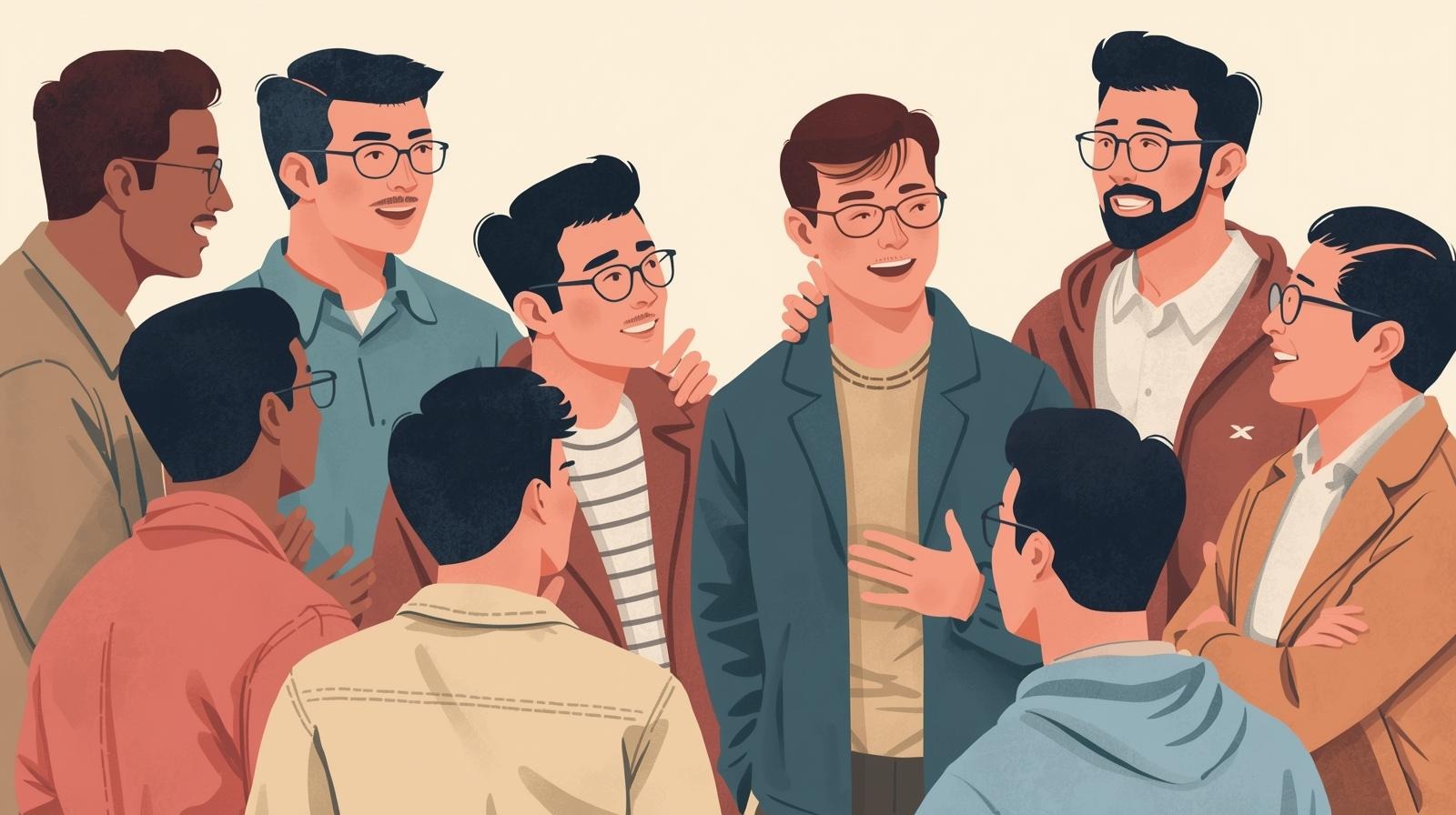
When James received his HSV-2 diagnosis at 34, his first instinct wasn’t to reach out—it was to withdraw. “I felt fundamentally different from everyone else,” he says, “like I was carrying a secret that made me unsafe to be around other people.” That response is common amongst men diagnosed with HSV, yet it’s precisely the wrong move for both physical and mental health.
Men who remain isolated experience 40% more frequent outbreaks compared to those engaging with supportive communities. Isolation creates a vicious cycle: elevated stress hormones suppress immune function, weakening immunity increases outbreak frequency, and more outbreaks reinforce feelings of being damaged—leading to deeper isolation and worse health outcomes.
The encouraging news? Men who actively participate in HSV communities report dramatically better outcomes across every measurable dimension. This isn’t just about feeling less alone—it’s about quantifiable improvements in physical health, mental wellbeing, and relationship success.
_________________________________________________________________________________________________________________
The Research on Community and HSV
Outbreak Reduction (35% Fewer With Community)
Members of active HSV communities report 35% fewer outbreaks per year compared to men managing the condition in isolation. This reduction operates through sophisticated neurobiological pathways. Social bonding triggers oxytocin release, which directly enhances immune function: increased natural killer (NK) cell activity that patrols for HSV reactivation, reduced chronic inflammation that can trigger outbreaks, and buffering against cortisol’s immune-suppressing effects.
Dr Sarah Chen’s groundbreaking research at University College London found that the protective effect of community engagement manifests within the first year of diagnosis. The mechanism is clear: community reduces chronic stress, stress reduction improves immune function, and stronger immunity keeps HSV in its latent state.
Life Satisfaction (67% Higher With Support)
Men who actively participate in HSV communities report 67% higher life satisfaction compared to those navigating HSV alone. This improvement extends far beyond health management. Community participants demonstrate enhanced problem-solving capabilities, improved stress management, and greater career advancement due to improved interpersonal skills.
The life satisfaction boost stems from normalising the HSV experience, proving through living examples that the condition doesn’t limit life possibilities. Research shows that 92% of community participants experienced improved confidence, 73% felt more able to manage their mental health, and 83% reported improved social life and support networks.
Mental Health Impact
Depression scores drop by an average of 43% within the first year of community engagement. This improvement rivals individual therapy outcomes. A meta-analysis examining peer support interventions for depression found effectiveness comparable to professional psychotherapy.
Psychologist Irvin Yalom identified “universality”—the recognition that one’s problems are not unique—as one of the most therapeutic aspects of group engagement. For men with HSV, discovering that successful, confident men share their experience provides profound relief. Suddenly, you’re not uniquely broken—you’re part of a shared human experience.
Relationship Success Rates
Men engaged with HSV communities experience 54% better long-term relationship outcomes. This success stems from practising disclosure conversations with trusted peers, receiving feedback on communication style, and building confidence through repeated practice in supportive environments. Research shows that 89% of community members report feeling confident about health disclosure within six months of active participation.
_________________________________________________________________________________________________________________
Types of HSV Communities
Online Forums (Reddit, PositiveSingles)
Reddit has emerged as the cornerstone of anonymous HSV support, with communities like r/HSVpositive and r/herpes collectively serving over 200,000 active users. The platform’s anonymity feature particularly attracts men aged 25–45 who prefer discussing sensitive health topics without identity disclosure.
r/HSVpositive focuses specifically on positive outcomes and solution-focused discussions, with 50,000 members and strict moderation policies preventing doom-scrolling whilst promoting success stories and practical advice. This environment proves particularly valuable for newly diagnosed men who need hope and evidence that life continues normally with HSV.
PositiveSingles leads the dating-integrated community space with 2–2.8 million active members and over 2.5 million conversations monthly. Even men not actively dating benefit from the community’s practical relationship advice and tested disclosure strategies.
In-Person Support Groups
Physical presence activates the brain and body in ways screens cannot. In-person groups trigger mirror neurons that fire when we observe other people’s emotions, helping us regulate our own feelings and adopt healthy management strategies naturally.
Men who participate in local HSV communities adjust psychologically faster, maintain healthier long-term relationships, and report greater overall life satisfaction than those relying only on online support. The Herpes Viruses Association (HVA) in the UK coordinates 20–30 local support groups, whilst the American Sexual Health Association (ASHA) offers a directory of 150+ HSV support groups across the USA and Canada.
Professional Groups
Professionally facilitated groups offer structured approaches to specific challenges. Cognitive Behavioural Therapy (CBT) groups focus on reframing negative thought patterns and managing disclosure anxiety. Dialectical Behaviour Therapy (DBT) skills groups teach emotional regulation and distress tolerance. Acceptance and Commitment Therapy (ACT) groups help develop psychological flexibility and values-based living that transcends health status.
Activity-Based Communities (Hiking, Sports, etc.)
Activity-based communities offer masculine-compatible formats where emotional processing happens naturally within action-focused settings. HSV-positive hiking groups, sports clubs, or volunteering opportunities provide spaces where health status is one shared factor amongst many interests. These communities align with traditional masculine preferences for practical problem-solving whilst still providing emotional support and authentic connection.
_________________________________________________________________________________________________________________
Why Men Avoid Community (And How to Overcome it)
Fear of Judgement (Unfounded)
Many men worry support communities will involve comparing sexual histories or outbreak severity in ways that could increase feelings of inadequacy. However, research consistently shows these fears are unfounded. Studies examining HSV support communities found that nine out of ten cases resulted in supportive and understanding responses. Community participation systematically undermines stigma through repeated exposure to HSV as a normal, manageable aspect of life.
Masculinity and Help-Seeking
Men wait an average of eight months longer to join support communities compared to women. The pathway forward isn’t about abandoning masculine strengths—it’s about expanding the definition of masculine strength to include community building and authentic connection. Instead of viewing community engagement as “needing help,” successful men reframe it as developing leadership and mentorship skills.
Privacy Concerns (Real Solutions)
Privacy fears represent legitimate concerns requiring practical solutions. Compartmentalised digital identities provide the foundation: unique usernames separate from other online activity, dedicated email addresses, and strong unique passwords. Secret Facebook groups offer 40% higher male engagement than private groups due to enhanced privacy.
Time Commitment Questions
Effective community participation is highly flexible. Anonymous online engagement provides 24/7 accessibility—men can engage for five minutes during morning coffee or throughout the day. Local in-person groups typically meet monthly or fortnightly for 1–2 hours, a manageable commitment that many find actually saves time.
_________________________________________________________________________________________________________________
How to Find Your Tribe
Online Resources: Create a throwaway Reddit account on r/HSVpositive and spend 1–2 hours reading success stories to understand community culture. Explore PositiveSingles or MPWH community forums even if not actively dating, as both provide valuable relationship advice.
Local Groups: Visit Herpes Viruses Association (www.herpes.org.uk) or call 020 7609 9061 for confidential helpline support and links to local groups in the UK. In the USA, use ASHA’s support group directory at www.ashasexualhealth.org/support-groups, searchable by location.
Activity Groups: Search Meetup.com for HSV-positive social activities, or join general activity groups like Parkrun or The Ramblers where you can build friendships with HSV-positive individuals sharing interests.
_________________________________________________________________________________________________________________
How Community Transforms HSV Management
Community engagement fundamentally transforms HSV from isolated medical management into integrated thriving. Knowledge amplification provides access to experiential wisdom—practical outbreak strategies, disclosure scripts tested across thousands of conversations, and success story modelling.
Stress reduction acts as a powerful buffer through cognitive reframing, resource sharing, and normalisation effects. Identity reconstruction shifts destructive narratives to empowered self-concepts that transcend health status.
_________________________________________________________________________________________________________________
From Receiving Support to Giving Support
Research demonstrates that providing support generates greater psychological benefits than receiving it—the “helper-therapy principle.” David, a 29-year-old marketing manager, lurked on Reddit’s HSV community post-diagnosis. Within six months, he began helping others. “Sharing what I’d learned helped me realise how much I’d figured out.”
Two years later, David moderates a local group and speaks at events. “HSV gave me a purpose I never expected. I’m happier and more confident than before.”
_________________________________________________________________________________________________________________
FAQ: Community Participation Questions
How do I start if I’m skeptical?
Lurk anonymously on r/HSVpositive—no participation required.
What if someone recognises me?
Confidentiality governs all legitimate groups. Start outside your local area.
How much time is needed?
As little as five minutes daily online; monthly 1–2 hour meetings.
Does it replace my doctor?
No—it complements clinical care with peer wisdom.
What if we’re casually dating with no plans for sex?
Disclose before the relationship becomes physically intimate at all. Even if sex isn’t planned, escalation happens. Disclose before you’re in that situation.
_________________________________________________________________________________________________________________
Your Next Steps
Download the Community Resources Directory for vetted UK/USA contacts, Reddit links, Discord servers, PositiveSingles forums, crisis protocols, and privacy guides. Your tribe awaits.
Help
Comments? Queries? Suggestions? Get in touch!
hello@modernhsvplaybook.com
© 2025. All rights reserved.