SAVE 30% ON EACH EBOOK AND 60% ON THE COMPLETE BUNDLE!
Can Poor Sleep Trigger Herpes Outbreaks? What We Know
Poor sleep affects health and may overlap with HSV recurrences, but research has not established a fixed sleep threshold or outbreak-risk percentage. Learn what helps safely.
MEDICAL & WELLNESS
Jordan
5/2/20264 min read
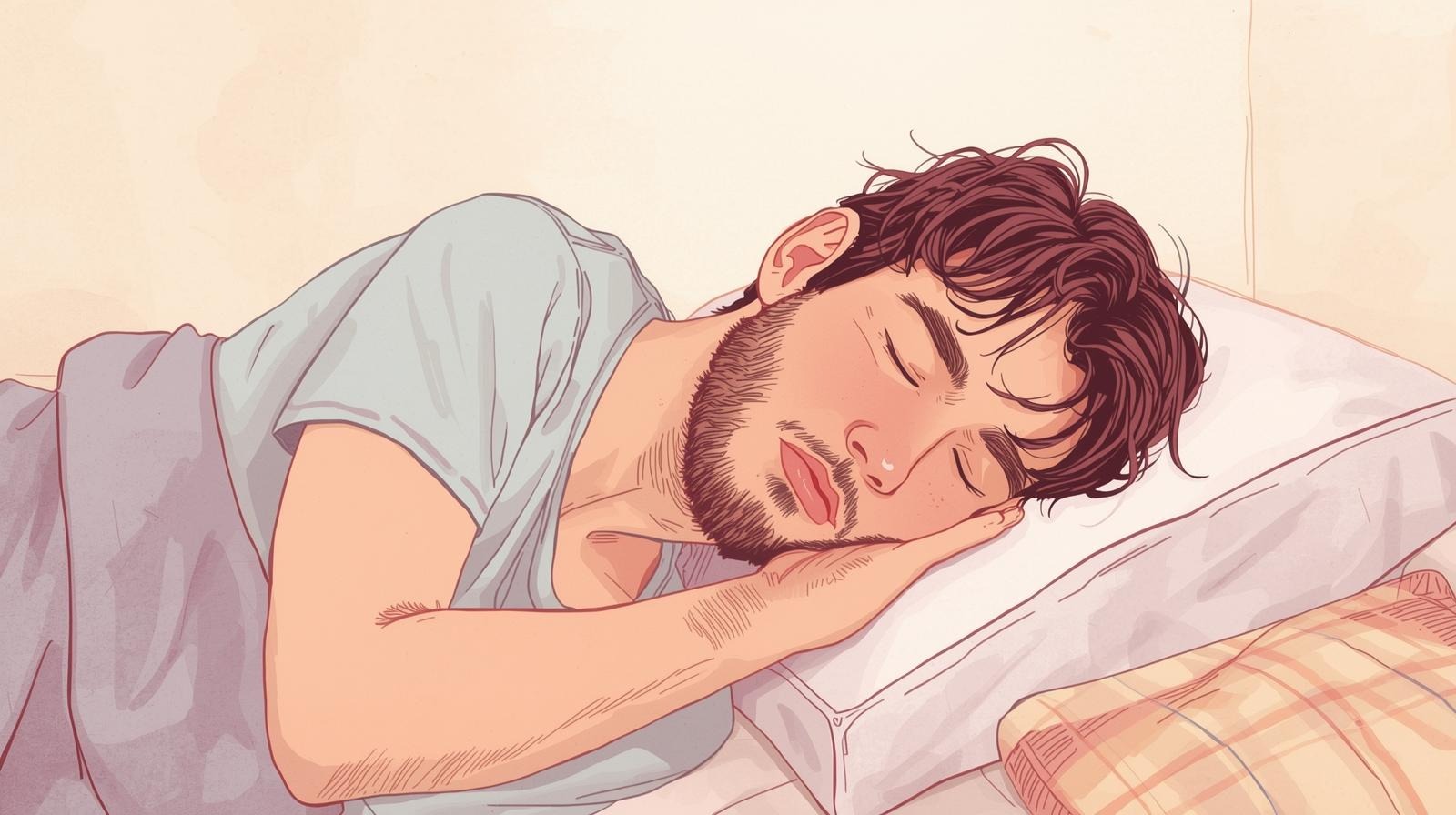
Can poor sleep cause a herpes outbreak?
Poor sleep can coincide with an HSV recurrence, but it is difficult to tell whether it caused that episode. There is no established number of sleep hours that predicts an outbreak. If sleep has become difficult, focus on a routine that supports your general health and discuss frequent or troublesome HSV symptoms with a clinician.
Start with a consistent wake time, enough opportunity to sleep, daylight and activity during the day, and a short wind-down routine. If caffeine, alcohol or late meals disturb your sleep, adjust what you can. The detailed plan below offers options rather than an HSV-specific bedtime rule.
What the evidence actually shows
Large reviews describe links between sleep, inflammation and immune function. They include laboratory sleep-deprivation studies and research across many health conditions. These findings support treating sleep as part of general wellbeing.
They should not be converted into HSV-specific promises. The studies most often cited for sleep and immunity do not show that people with genital or oral herpes have a 40–60% rise in outbreaks below a particular number of hours. They also do not prove that a certain amount of REM or deep sleep keeps HSV latent.
Recurrences vary by person and by virus type. Genital HSV-1 usually recurs less often than genital HSV-2. Outbreaks may occur without an obvious trigger, and several factors can overlap: illness, stress, travel, friction, menstrual changes, medication use and normal variation. A poor night’s sleep before symptoms does not prove that sleep caused them.
A practical sleep plan
The American Academy of Sleep Medicine recommends that adults regularly obtain at least seven hours of sleep for general health, while recognising that individual needs vary. This is a population health recommendation, not an HSV treatment target.
For better sleep, start with a few habits you can maintain:
keep a reasonably consistent wake time, including at weekends;
allow enough time in bed for the sleep you need;
get daylight and some physical activity during the day;
build a short wind-down routine before bed;
make the bedroom comfortable, dark and quiet where possible;
reduce caffeine, alcohol or late heavy meals if they disrupt your sleep; and
avoid repeatedly checking the clock or chasing a perfect sleep score.
A rigid three-hour evening protocol, a universal bedtime or a precise bedroom temperature is not required for HSV management. Choose changes that fit your health, work and caring responsibilities.
If symptoms seem to follow poor sleep
Use a simple diary for several recurrences rather than drawing a conclusion from one episode. Record approximate sleep times, perceived sleep quality, symptoms, visible lesions, illness, major stressors and whether you took prescribed medication. Look for repeated patterns with a clinician.
A diary can support a conversation, but it cannot prove causation or calculate your personal outbreak risk. Our privacy-safe HSV symptom-tracking guide explains how to record patterns without turning them into medical predictions.
Wearables and sleep scores
Apple Watch, Oura Ring and similar devices can help some people notice broad changes in bedtime, wake time and estimated sleep duration. Their sleep stages, readiness scores, temperature trends and heart-rate measures are not tests for HSV reactivation.
Use wearable data as a prompt to reflect on general habits, not as a reason to avoid intimacy, change antiviral treatment or assume an outbreak is imminent. See our guide to what Apple Watch and Oura can and cannot tell you about HSV.
Supplements and melatonin
No supplement stack has been shown to prevent HSV outbreaks by improving sleep. Magnesium, L-theanine, valerian, passionflower and melatonin can have side effects, vary in product quality and interact with medicines or health conditions.
If sleep problems persist, ask a pharmacist or clinician whether any product is suitable for you. Do not copy a fixed dose from a blog, combine several sedating products, or assume that “natural” means risk-free. The NHS notes that sleeping aids do not cure insomnia and are generally used only briefly when appropriate.
Do not replace antiviral treatment with sleep changes
Sleep habits are not a substitute for evidence-based HSV care. The CDC describes antiviral medication as the mainstay of treatment for symptomatic genital herpes. Episodic therapy is most effective when started within one day of lesion onset or during a recognised prodrome, using the regimen prescribed for you. Suppressive therapy may reduce recurrences for people who experience them frequently.
Do not start, stop or change antiviral medication because of a short night, a wearable alert or a sleep score. If outbreaks are frequent, severe or distressing, discuss episodic and suppressive options with a clinician. See our general comparison of valacyclovir and acyclovir.
When to seek help for sleep
Speak to a GP or qualified sleep professional if difficulty falling asleep, staying asleep or waking too early continues for months or affects daily life. The NHS advises that cognitive behavioural therapy may be offered for insomnia. Seek assessment sooner if you have loud snoring, gasping or interrupted breathing, severe daytime sleepiness, suddenly falling asleep, or major changes in mood.
Sleep difficulty can also be linked to pain, anxiety, depression, medicines, shift work or another health condition. A clinician can help identify the cause instead of treating every sleep problem as an HSV issue.
When HSV symptoms need medical review
Seek clinical assessment if this may be your first outbreak, the diagnosis is uncertain, lesions are severe or unusual, sores are not healing, or recurrences are becoming frequent. Other skin conditions can resemble herpes, and a swab of a fresh lesion may clarify the diagnosis.
Seek urgent care for eye pain or redness, severe headache, neck stiffness, confusion, weakness or difficulty urinating. People who are pregnant or immunocompromised should obtain individual medical advice promptly.
Bottom line
Good sleep supports general health and immune function, and it is reasonable to include sleep in a broader self-care plan. Current research does not justify a precise HSV sleep threshold, outbreak-risk percentage, prediction window or supplement protocol. Aim for sustainable sleep habits, track suspected patterns cautiously and keep antiviral decisions grounded in clinical guidance.
Sources
Sources checked 21 September 2026. This article provides general information and does not replace diagnosis, treatment or personalised medical advice.
MODERN HSV PLAYBOOK
THE SERIES
© 2026 Modern HSV Playbook. All rights reserved.
SITE
Content for informational purposes only. Not a substitute for professional medical advice.