Save OVER 30% on all ebooks AND 40% ON EBOOK BUNDLE!
Masculine Grief: Processing Your HSV Diagnosis
40–60% of men experience psychological distress after HSV diagnosis. What to expect, how masculine grief differs, and when to seek support.
MINDSET & IDENTITY
Jordan
4/25/20267 min read


Grief Is Normal (And It’s Not Weakness)
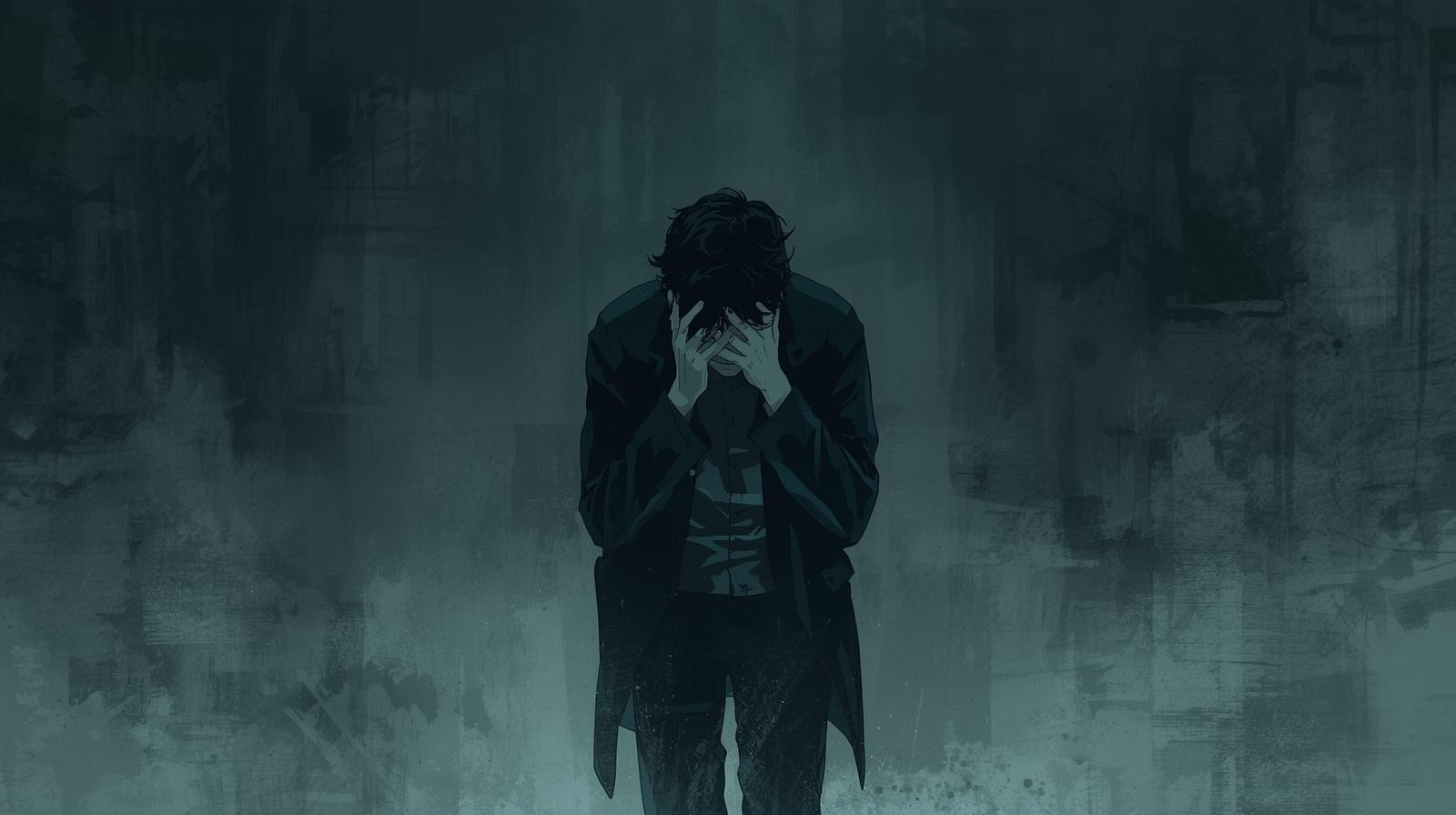
Three days after his HSV-2 diagnosis, Marcus sat alone in his flat feeling emotions he couldn’t name and didn’t want to acknowledge. Sadness. Fear. Shame. Anger at his ex-partner. Disappointment in himself. His instinct, conditioned by 29 years of masculine socialisation, was to push these feelings down, “man up,” and move on. But the emotions persisted, showing up as insomnia, irritability, and a gnawing emptiness he couldn’t shake.
What Marcus was experiencing—and struggling to recognise—was grief. Not the dramatic, tears-streaming grief portrayed in films, but the hollow, disorienting grief that follows any significant loss: loss of invulnerability, sexual confidence, future certainty, and identity as someone “sexually healthy.” Research shows that 40-60% of newly diagnosed individuals experience significant psychological distress in the first 3-6 months post-diagnosis. Grief isn’t weakness—it’s the natural, healthy psychological response to loss.
_________________________________________________________________________________________________________________
Understanding Grief After HSV Diagnosis
What Are You Actually Grieving?
Loss of invulnerability: Before diagnosis, you might have believed serious health issues happened to other people, not you. HSV shatters this illusion of invulnerability, forcing confrontation with your body’s vulnerability.
Sexual confidence crisis: HSV disrupts confidence in intimate contexts—will partners accept you? Can you still attract romantic interest? Does this diagnosis make you less desirable? These aren’t irrational fears but legitimate questions requiring psychological processing.
Future uncertainty: HSV introduces unpredictability—outbreak timing, relationship disclosure outcomes, transmission risk. Men often grieve the loss of the predictable future they’d envisioned.
Identity disruption: “I’m someone who has herpes” conflicts with prior self-concept. Integrating this new identity aspect whilst maintaining core sense of self requires grief work.
Grief vs Depression (Important Distinction)
Grief and clinical depression share symptoms—sadness, sleep disruption, appetite changes, energy loss—but differ fundamentally. Grief follows expected trajectories with gradual improvement over weeks to months. Depression persists or worsens despite time passing, involving pervasive hopelessness, inability to experience pleasure, and potentially suicidal ideation.
Research shows grief following HSV diagnosis typically peaks at weeks 2-6, begins integration at weeks 6-12, and largely resolves within 3-6 months for individuals engaging with support systems. Depression, by contrast, doesn’t improve without intervention and often requires professional treatment.
Why Grief Is Healthy
Grief serves adaptive functions: it signals that something important has changed, creates psychological space for identity reformulation, motivates support-seeking behaviour, and ultimately enables acceptance and integration. Suppressing grief doesn’t eliminate it—suppression prolongs psychological distress and increases risk of maladaptive coping (substance misuse, social withdrawal, relationship sabotage).
Men who acknowledge and process grief following HSV diagnosis demonstrate better long-term psychological outcomes than those who suppress or deny emotions.
_________________________________________________________________________________________________________________
The Five Grief Phases (HSV Edition)
Phase 1: Shock/Denial (Days 1-7)
What to expect: Numbness, disbelief (“This can’t be happening to me”), emotional disconnection, difficulty concentrating, sleep disruption, and automatic functioning through daily routines whilst feeling detached.
How long it lasts: Typically 3-10 days, though some men report shock persisting for weeks.
Helpful strategies: Allow the shock—it’s your mind’s protective mechanism whilst processing overwhelming information. Educate yourself about HSV through reputable sources. Confide in one trusted person. Maintain basic self-care (eating, sleeping, hygiene) even if motivation is low.
Phase 2: Anger/Bargaining (Weeks 1-4)
“Why me?” thinking: Anger emerges as shock fades—anger at the partner who transmitted HSV, at yourself for perceived carelessness, at the universe for unfairness, or at medical professionals for delivering the diagnosis.
Blame patterns: Men often cycle through blaming others (ex-partners, healthcare system) and self-blame (“I should have known better”). Both represent attempts to regain sense of control over uncontrollable events.
Bargaining: “If I exercise perfectly and manage stress, maybe outbreaks won’t happen” or “If I become extremely cautious, maybe I can reverse this somehow.” Bargaining reflects difficulty accepting reality’s permanence.
Moving through anger: Channel anger into productive action—researching treatment options, connecting with support communities, developing management systems. Physical activity (running, weightlifting, martial arts) provides healthy anger outlets aligned with masculine processing styles.
Phase 3: Deep Sadness (Weeks 2-8)
Depression symptoms: Profound sadness, crying (even for men who rarely cry), hopelessness about future relationships, social withdrawal, loss of interest in activities previously enjoyed.
When to seek help: If sadness persists beyond 8 weeks without improvement, includes suicidal thoughts, or prevents basic functioning (work, self-care), professional support is essential.
Support strategies: Share feelings with trusted friends or HSV communities. Journal emotions rather than suppressing them. Maintain social connection even when isolation feels appealing. Consider therapy with professionals experienced in sexual health issues.
Phase 4: Acceptance/Integration (Weeks 4-12)
What acceptance looks like: “I have HSV, and that’s reality. It’s not what I wanted, but I can manage this and still live well.” Acceptance doesn’t mean happiness about diagnosis—it means ceasing to fight reality.
Identity reformulation: HSV becomes one aspect of your identity amongst many (profession, hobbies, relationships, values) rather than consuming your entire self-concept.
New normal establishment: Routines incorporating HSV management (daily antivirals, stress management, disclosure practices) feel increasingly automatic rather than emotionally charged.
Phase 5: Meaning-Making (Months 2-12)
Finding purpose: Many men report that HSV ultimately improved their lives by forcing emotional growth, better communication skills, healthier relationship patterns, and deeper empathy.
Growth recognition: “HSV taught me to handle difficult conversations,” “I’m a better partner now because I prioritise honesty,” or “This experience revealed who my real friends are.”
Legacy thinking: Some men channel their experience into helping others—mentoring newly diagnosed men, advocating for sexual health education, or simply being the supportive presence they wished they’d had.
_________________________________________________________________________________________________________________
How Masculine Conditioning Complicates Grief
The “Suck It Up” Trap
Masculine socialisation teaches that emotional vulnerability is weakness, that “real men” handle problems independently, and that expressing sadness invites judgment. Men describe feeling “empty” or “hollow” following significant losses but suppress outward expressions, believing they must maintain stoic control.
This conditioning creates internal conflict: you feel profound emotions whilst simultaneously believing you shouldn’t feel them or must hide them. The resulting suppression prolongs grief, increases depression risk, and often manifests as anger (socially acceptable masculine emotion) rather than sadness (culturally stigmatised masculine emotion).
Why Vulnerability Matters Now
Research consistently demonstrates that expressing grief accelerates psychological recovery, whilst suppression prolongs distress and increases maladaptive coping behaviours. Vulnerability—acknowledging emotions, seeking support, expressing sadness—isn’t weakness but rather the strength to face uncomfortable truths.
Men who practice what researchers call “flexible masculinity”—maintaining traditionally masculine strengths whilst embracing emotional expression when adaptive—demonstrate superior grief outcomes compared to rigidly stoic men.
Redefining Strength Through Grief
True strength involves facing difficult emotions rather than avoiding them, seeking help when overwhelmed rather than suffering alone, and acknowledging vulnerability rather than performing invincibility. The men who process HSV grief most successfully recognise that courage involves feeling fear and sadness whilst moving forward anyway—not eliminating those emotions through force of will.
_________________________________________________________________________________________________________________
Healthy Grief Processing (By Masculine Type)
For Analytical Men (Researchers)
Information gathering as processing: Channel analytical tendencies into comprehensive HSV research—transmission statistics, treatment efficacy, outbreak prediction models. This cognitive approach provides sense of control whilst indirectly processing emotions.
Data-driven understanding: Track your emotional patterns, outbreak correlations, and psychological recovery trajectory quantitatively. Many analytical men find that measuring grief helps them understand and eventually move through it.
For Active Men (Athletes/Doers)
Action-based processing: Transform grief into productive activity—building comprehensive management systems, optimising health protocols, restructuring lifestyle for outbreak prevention.
Physical outlets: Intense exercise, sport, physical labour, or martial arts provide masculine-aligned grief expression channels. Physical exertion releases emotional tension without requiring verbal articulation.
For Emotional Men (Feelers)
Expression-focused processing: If you naturally access emotions, lean into that strength. Journal extensively, cry when needed, articulate feelings to trusted friends, create art or music expressing your experience.
Creative outlets: Photography, writing, music, or visual art allow emotional expression in forms potentially more comfortable than direct conversation.
For Social Men (Connectors)
Community-based processing: Connect with HSV support communities (Reddit, Discord, PositiveSingles forums) where shared experience normalises grief and provides validation.
Shared experience: Hearing other men’s grief narratives and recovery stories accelerates your own processing by demonstrating that these emotions are normal, temporary, and survivable.
_________________________________________________________________________________________________________________
What NOT to Do (Common Mistakes)
Repressing emotions: Pushing feelings down creates psychological pressure that eventually erupts as depression, anxiety, relationship conflict, or substance misuse.
Over-isolating: Whilst brief solitude helps processing, extended isolation amplifies distorted thinking and prevents reality-checking catastrophic beliefs.
Self-medication: Alcohol and drugs temporarily numb grief but prevent psychological processing, prolonging recovery and creating additional problems.
Pushing too hard (“Positive Vibes Only”): Forced positivity before genuine acceptance creates superficial coping that collapses under stress. Authentic acceptance requires moving through sadness, not bypassing it.
_________________________________________________________________________________________________________________
The Grief Timeline (What to Expect)
Weeks 1-2: Shock Phase – Numbness, disbelief, automatic functioning. Grief hasn’t fully “hit” yet.
Weeks 2-6: Emotional Flooding – Sadness, anger, fear peak during this period. Most difficult phase emotionally.
Weeks 6-12: Integration Beginning – Emotions stabilise somewhat. Good days interspersed with difficult days. HSV management routines establish.
Months 3-6: Stability Emerges – Emotional baseline largely returns to pre-diagnosis levels for most men engaging with support. HSV becomes integrated aspect of life rather than consuming focus.
Month 6+: New Normal Established – HSV feels manageable, relationships form successfully, confidence rebuilds. Grief largely resolved though occasional sadness during challenging moments (rejection, outbreaks) remains normal.
_________________________________________________________________________________________________________________
Tools for Healthy Grief Processing
Journaling: Writing emotions provides processing outlet without requiring another person. Many men find articulating feelings on paper clarifies confusion and releases emotional pressure.
Physical movement: Daily exercise (30-60 minutes) improves mood, reduces anxiety, provides grief outlet, and maintains health—all supporting psychological recovery.
Creative expression: Art, music, photography, or writing channel emotions into productive creation, transforming pain into something meaningful.
Professional support: Therapy with sexual health-informed professionals provides structured grief processing, challenges distorted thinking, and builds coping strategies.
_________________________________________________________________________________________________________________
Grief Is the Path to Acceptance
Masculine grief following HSV diagnosis looks different from stereotypical portrayals—fewer tears, more action, often channelled through physical outlets or information-gathering rather than direct emotional expression. But it remains grief nonetheless, requiring acknowledgment, processing, and ultimately integration before genuine acceptance emerges.
The men who thrive long-term with HSV are those who allow themselves to grieve the losses (invulnerability, sexual confidence, future certainty) whilst building new strengths (emotional honesty, communication capability, resilience). Grief isn’t the obstacle to acceptance—it’s the pathway through which acceptance becomes possible.
Your emotions aren’t weakness. They’re evidence that you’re human, processing something genuinely difficult, and ultimately healing. That’s not just acceptable—it’s exactly right.
MODERN HSV PLAYBOOK
Evidence-based guides for men living with HSV. Research-backed, radically honest, and written by someone who has been there.
THE SERIES
© 2026 Modern HSV Playbook. All rights reserved.
SITE
Content for informational purposes only. Not a substitute for professional medical advice.