Save OVER 30% on all ebooks AND 40% ON EBOOK BUNDLE!
HSV Outbreak Prevention: What Actually Works (Science-Backed)
Men with HSV want practical, evidence-based outbreak prevention—not myths. This guide reviews seven proven strategies, including daily antivirals, stress control, better sleep, immune support through diet and supplements, trigger tracking, and combining methods for stronger results. Practical prevention grounded in current evidence.
MEDICAL & WELLNESS
Jordan
2/19/20267 min read
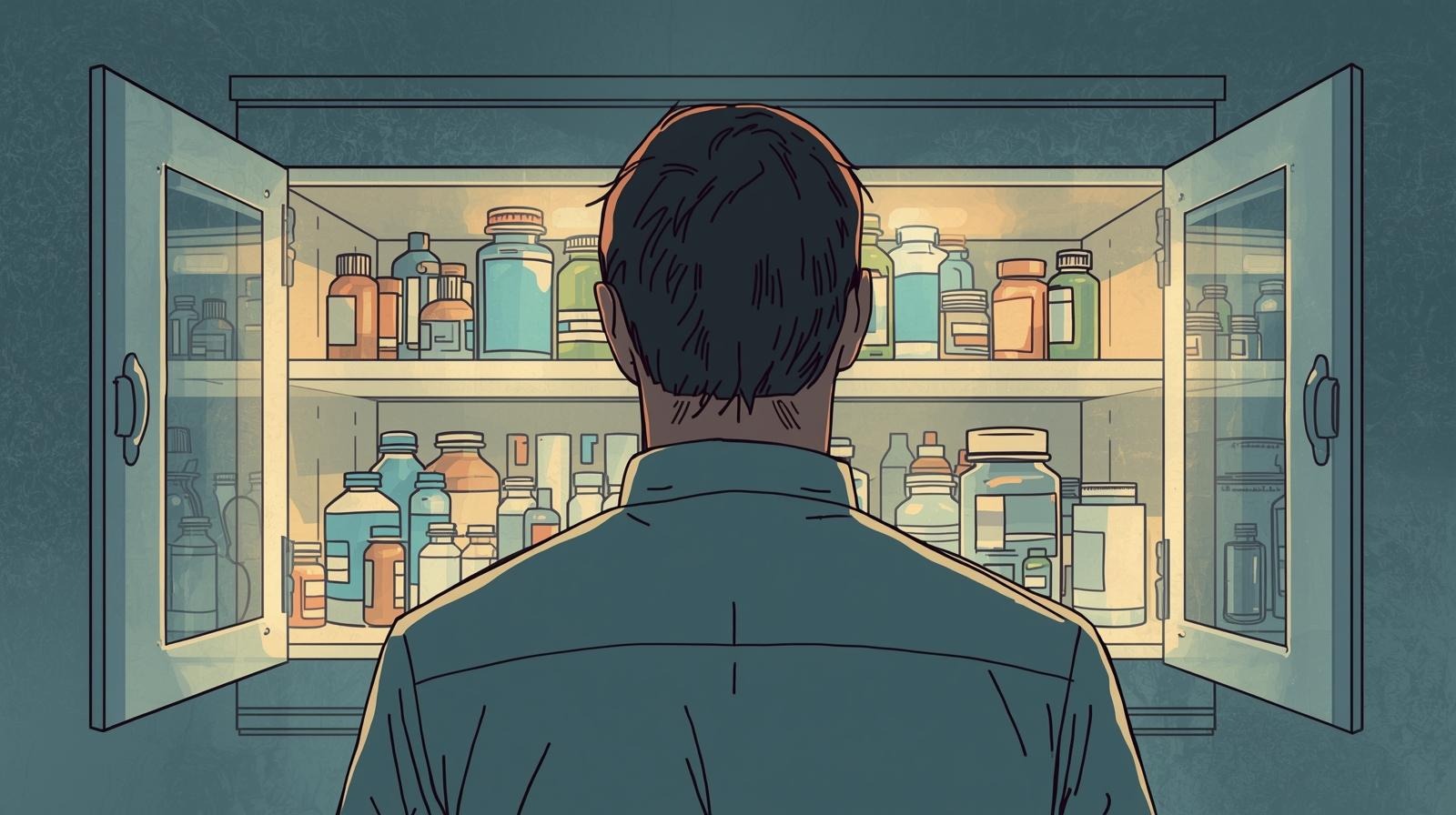
Preventing HSV outbreaks isn’t about miracle cures or expensive supplements marketed with inflated claims. It’s about understanding the biological mechanisms that trigger viral reactivation and systematically addressing them through evidence-based interventions. Research shows that men who combine multiple prevention strategies can reduce outbreak frequency by 70–90%, transforming HSV from an unpredictable disruption into a manageable background condition.
The good news? Prevention works. The challenge? It requires consistency across multiple domains—medication, lifestyle, stress management, and immune support. This isn’t a single silver bullet but rather a coordinated defence system that keeps HSV in its latent state.
_________________________________________________________________________________________________________________
The Science Behind Outbreaks
Why You Get Outbreaks
HSV establishes lifelong latent infection in nerve ganglia—sensory neurons for HSV-1 (trigeminal ganglia) and HSV-2 (sacral ganglia). During latency, the virus remains dormant, suppressed by your immune system’s constant surveillance. Outbreaks occur when this immune surveillance weakens, allowing viral reactivation.
The reactivation process involves stress hormones (particularly cortisol and epinephrine), which activate specific receptors on infected neurons. These hormones suppress immune function whilst simultaneously triggering viral DNA replication. Once reactivation begins, the virus travels down nerve axons to the skin surface, causing the characteristic lesions.
Triggers Explained
Common outbreak triggers operate through interconnected pathways that ultimately weaken immune surveillance:
Psychological stress activates the hypothalamic-pituitary-adrenal (HPA) axis, releasing cortisol. Elevated cortisol suppresses CD8+ T cells and natural killer (NK) cells—the immune cells that patrol for HSV reactivation. Even anticipatory stress (worrying about outbreaks) raises cortisol levels, creating a self-fulfilling prophecy.
Sleep deprivation impairs immune function through multiple mechanisms: reduced NK cell activity, increased inflammatory cytokines, HPA axis hyperactivation, and impaired T-cell differentiation. Research shows that sleep deprivation directly reduces the body’s ability to control latent viral infections.
Physical stress from illness, overtraining, or nutritional deficiency diverts immune resources away from viral surveillance. Prolonged high-intensity exercise timing matters critically—exercise during certain phases can either enhance or impair antiviral immunity.
UV exposure damages skin cells and triggers inflammatory cascades that can promote viral reactivation, particularly for HSV-1 oral outbreaks.
Prevention vs Management
Prevention focuses on keeping HSV latent—stopping outbreaks before they start. Management addresses outbreaks once they’ve begun—shortening duration and reducing severity. Both matter, but prevention delivers superior quality of life because it eliminates the physical discomfort, emotional distress, and transmission risk that outbreaks create.
_________________________________________________________________________________________________________________
Proven Prevention Methods
Method 1: Antiviral Suppression
Effectiveness: 70–90% outbreak reduction
Daily suppressive antiviral therapy remains the single most effective prevention strategy. Valaciclovir 500mg once daily reduces outbreak frequency by 70–80% in immunocompetent individuals. For severe recurrent cases, 1000mg daily may be prescribed.
Dosing strategies: Standard suppression uses valaciclovir 500mg daily or aciclovir 400mg twice daily continuously. Some men prefer event-driven approaches—taking medication during high-risk periods (stress, illness, travel) rather than continuously. Research supports continuous therapy for superior prevention, though intermittent strategies reduce overall medication burden.
How it works: Antivirals block viral DNA polymerase, preventing viral replication. They don’t eliminate HSV but dramatically reduce viral shedding and reactivation frequency. The protective effect begins within days of starting therapy and wanes within days of stopping.
Method 2: Stress Management
Research on stress triggers: Animal studies demonstrate that stress hormones directly trigger HSV reactivation even with intact immune systems. Human studies confirm strong correlations between psychological distress and outbreak frequency. The mechanism involves cortisol suppressing immune responses whilst glucocorticoid receptors on infected neurons facilitate viral replication.
Practical stress reduction:
Daily mindfulness practice (10–20 minutes): Reduces baseline cortisol levels by 15–25% within 8 weeks of consistent practice
Regular moderate exercise (not overtraining): 30–40 minutes of walking, cycling, or yoga 4–5 times weekly enhances immune function
Cognitive reframing: Working with therapists trained in CBT or ACT to reduce catastrophic thinking about outbreaks
Sleep prioritisation: See Method 3 below—sleep and stress management synergise powerfully
Method 3: Sleep Optimisation
Sleep impact on immunity: Sleep deprivation impairs every aspect of antiviral immunity. Studies show that chronic short sleep (<6 hours) reduces NK cell activity by 30–50%, impairs T-cell function, increases inflammatory cytokines, and creates conditions favourable for viral reactivation.
During sleep, particularly NREM (deep) sleep, immune cells redistribute to lymphatic tissues where they efficiently encounter and eliminate reactivating viruses. Sleep deprivation prevents this crucial redistribution whilst elevating cortisol levels.
Sleep hygiene for HSV:
Consistent schedule: Same bed/wake times within 30-minute windows, including weekends
7–9 hours nightly: Individual needs vary, but <6 hours significantly impairs antiviral immunity
Sleep environment: Cool (16–19°C), dark (blackout curtains or eye mask), quiet (white noise if needed)
Pre-sleep routine: 30–60 minutes wind-down period avoiding screens, intense exercise, or stressful activities
Limit substances: Alcohol fragments sleep architecture; caffeine after 2 PM interferes with sleep onset
Method 4: Immune Support
Nutrition factors: A balanced diet rich in whole foods provides the micronutrients essential for optimal immune function. Specific attention to immune-critical nutrients—vitamins C, D, A, B-complex, and minerals like zinc—supports the cellular immunity that keeps HSV latent.
Supplements that work:
L-Lysine (1,000–3,000mg daily): Inhibits HSV replication by competing with arginine, an amino acid required for viral growth. Studies show lysine doses >3g daily reduce outbreak frequency and severity, whilst doses <1g appear ineffective. Simultaneously limiting high-arginine foods (nuts, chocolate, seeds, oats) enhances effectiveness.
Vitamin D (2,000–4,000 IU daily): Enhances T-cell and macrophage function, reduces inflammation, and exhibits direct antiviral properties. Studies suggest vitamin D deficiency correlates with increased herpesvirus reactivation, whilst supplementation shows protective effects. Testing serum levels ensures adequate dosing (target 75–125 nmol/L).
Zinc (15–30mg daily): Essential for NK cell and T-cell function, exhibits direct antiviral properties, promotes wound healing, and reduces inflammation. Studies show zinc supplementation reduces outbreak frequency whilst deficiency prolongs outbreak duration.
Vitamin C (500–1,000mg daily): Stimulates white blood cell production and function, provides antioxidant protection during outbreaks, and supports immune response. Particularly beneficial during high-stress periods.
Exercise benefits: Regular moderate exercise (not overtraining) enhances immune competency, improves vaccine responses, and may delay immune system ageing. The key is consistency and intensity management—30–60 minutes of moderate activity (walking, cycling, swimming) 4–6 times weekly optimises immune function without triggering the transient immune suppression that prolonged high-intensity exercise causes.
Method 5: Trigger Avoidance
Identifying personal triggers: Whilst common triggers affect most people (stress, sleep deprivation, illness), individual trigger profiles vary. Systematic tracking reveals personalised patterns—certain foods, alcohol consumption, seasonal changes, UV exposure, hormonal fluctuations, or specific stressors.
Environmental factors: UV exposure triggers HSV-1 facial outbreaks through skin cell damage and inflammatory responses. Men with UV-sensitive patterns should use SPF 30+ lip balm and facial sunscreen during outdoor activities. Cold, dry weather can trigger outbreaks through skin desiccation—maintain skin hydration with appropriate moisturisers.
Seasonal patterns: Some men experience increased outbreak frequency during specific seasons. Winter patterns may relate to vitamin D deficiency, reduced sunlight exposure, or seasonal affective disorder. Summer patterns often involve UV exposure or heat stress.
_________________________________________________________________________________________________________________
The Prevention Hierarchy (What Works Best)
Not all prevention methods deliver equal impact. Prioritise your efforts accordingly:
Tier 1 (Highest Impact): Daily antiviral suppression (70–90% reduction) combined with consistent sleep (7–9 hours) creates the foundation for outbreak prevention.
Tier 2 (Significant Impact): Stress management practices and immune-supporting nutrition provide substantial additional protection, particularly when Tier 1 strategies are already implemented.
Tier 3 (Moderate Impact): Targeted supplementation (lysine 3g+ daily, vitamin D, zinc) and trigger avoidance offer further incremental benefits.
Tier 4 (Supporting Role): Regular moderate exercise, UV protection, and seasonal awareness contribute to overall immune resilience.
_________________________________________________________________________________________________________________
Combining Methods (Synergistic Effects)
Prevention strategies synergise powerfully. Men using only antiviral suppression experience 70–80% outbreak reduction. Adding consistent sleep and stress management pushes reduction toward 85–90%. Including immune-supporting nutrition and targeted supplementation achieves near-complete outbreak elimination for many men.
The synergy operates through complementary mechanisms: antivirals directly block viral replication, sleep and stress management maintain robust immune surveillance, and nutrition/supplements ensure immune cells function optimally. Together, these create multilayered defence that makes breakthrough outbreaks rare.
_________________________________________________________________________________________________________________
Tracking What Works for YOU
Outbreak prevention requires personalisation. What works optimally for one man may differ for another based on genetics, lifestyle, stress patterns, and baseline health.
Data tracking tools: Apps like Bearable, Apple Health, or simple spreadsheets allow systematic tracking of potential triggers against outbreak occurrence. Record sleep duration/quality, stress levels (1–10 scale), exercise, dietary changes, illness, medication adherence, and outbreak timing.
Pattern recognition: After 3–6 months of consistent tracking, patterns emerge. You might discover that outbreaks consistently follow <6 hours sleep, high-stress work periods, specific foods, or missed medication doses. This personalised data guides targeted prevention adjustments.
_________________________________________________________________________________________________________________
When Prevention Fails (Outbreak Still Happens)
Even with optimal prevention, occasional breakthrough outbreaks occur—particularly during severe illness, extreme stress, or immune system challenges. When outbreaks happen despite prevention efforts:
Start episodic antiviral treatment immediately (valaciclovir 500mg twice daily for 3–5 days shortens duration by 1–2 days)
Review recent triggers to identify prevention gaps worth addressing
Avoid self-blame—breakthrough outbreaks don’t indicate personal failure
Maintain prevention strategies—consistency matters more than perfection
Consider adjusting antiviral dosing with your healthcare provider if breakthroughs are frequent
_________________________________________________________________________________________________________________
FAQ: Prevention Questions
Can I prevent outbreaks without daily antivirals?
Yes—stress management, sleep optimisation, and immune support reduce outbreaks significantly, though not as dramatically as antiviral suppression. Combining non-medication strategies achieves 40–60% reduction; adding antivirals reaches 70–90%.
How long until prevention strategies work?
Antivirals work within days. Sleep and stress management improvements show benefits within 2–4 weeks. Nutritional changes and supplements require 6–12 weeks for full effect.
Do supplements really work or is it placebo?
Lysine >3g daily, vitamin D (if deficient), and zinc show real effects in controlled studies. Lower doses or supplements without evidence basis are likely placebo.
Can I stop prevention strategies once outbreaks stop?
Prevention is ongoing—stopping strategies typically leads to outbreak recurrence within weeks to months. Think of it as sustainable lifestyle integration rather than temporary intervention.
Will prevention reduce transmission risk to partners?
Yes—fewer outbreaks mean less viral shedding overall, reducing transmission risk. Daily antiviral suppression reduces transmission by 50% in discordant couples.
_________________________________________________________________________________________________________________
Prevention Is Power
Outbreak prevention isn’t about controlling the virus through willpower—it’s about understanding biological mechanisms and systematically addressing them through evidence-based strategies. The men experiencing the fewest outbreaks aren’t lucky; they’re strategic.
Daily antiviral suppression provides the foundation, reducing outbreaks by 70–90%. Adding consistent 7–9 hours sleep and active stress management pushes effectiveness toward 85–90%. Including immune-supporting nutrition, targeted supplementation, and personalised trigger avoidance approaches near-complete outbreak elimination for many men.
This comprehensive approach requires commitment, but the payoff is substantial: physical comfort, emotional confidence, reduced transmission anxiety, and freedom from the unpredictability that untreated HSV creates. Prevention transforms HSV from a recurring crisis into a manageable background condition that rarely interferes with daily life.
Start with Tier 1 strategies—antivirals and sleep optimisation. Layer in stress management and immune support as these habits integrate naturally. Track your personalised patterns. Adjust based on results. Within 3–6 months, you’ll have a prevention system tailored to your specific biology and lifestyle.
The outbreaks you prevent are the ones that never disrupt your work, relationships, or confidence. That prevention is worth the consistent effort.
Help
Comments? Queries? Suggestions? Get in touch!
hello@modernhsvplaybook.com
© 2025. All rights reserved.